The very first day of the year two thousand nineteen on the train station of ukrainian town Berehove.
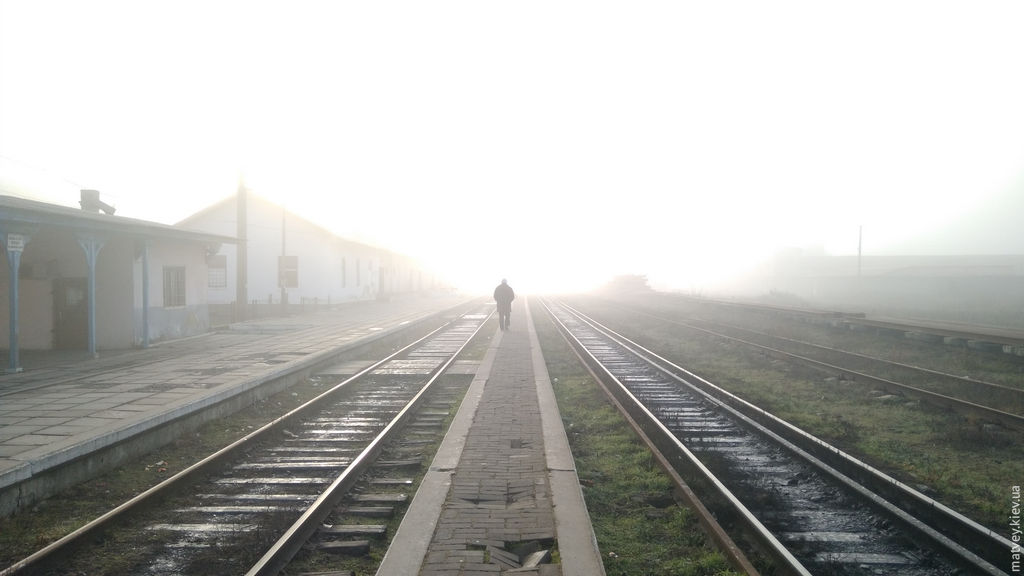
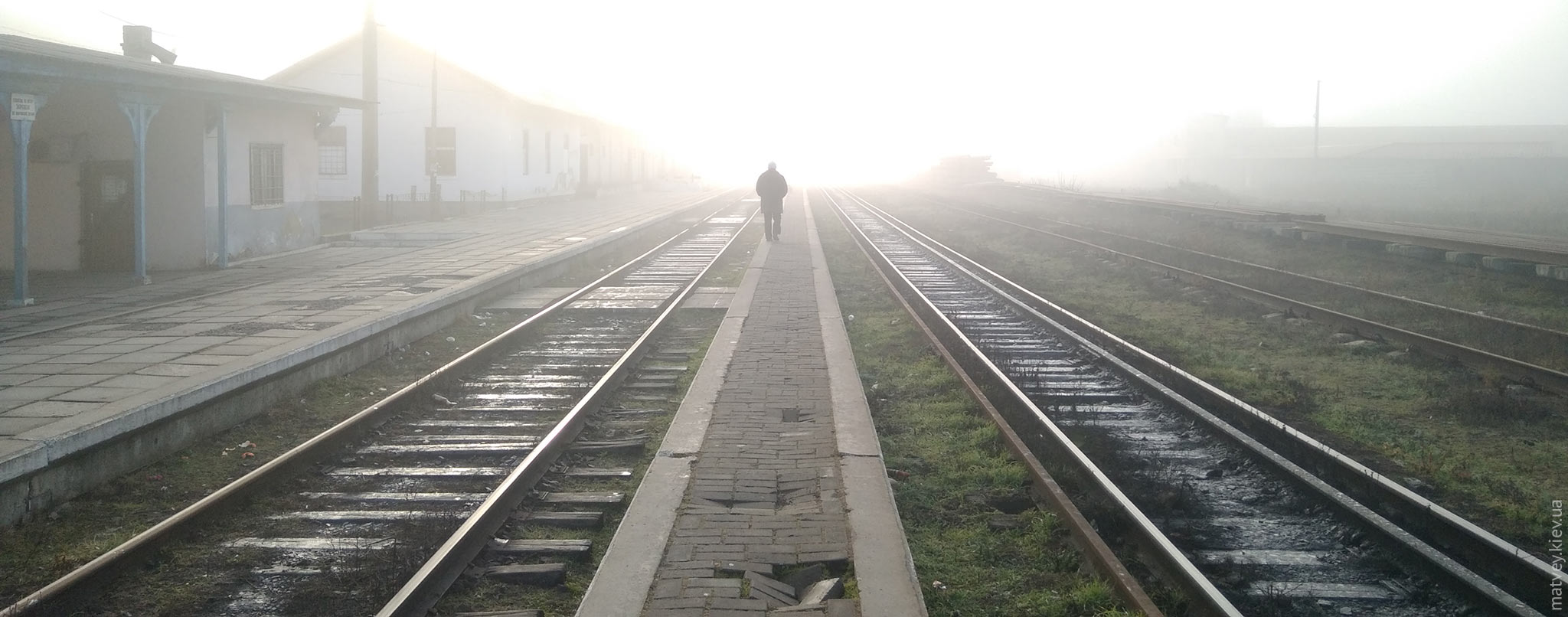
The very first day of the year two thousand nineteen on the train station of ukrainian town Berehove.
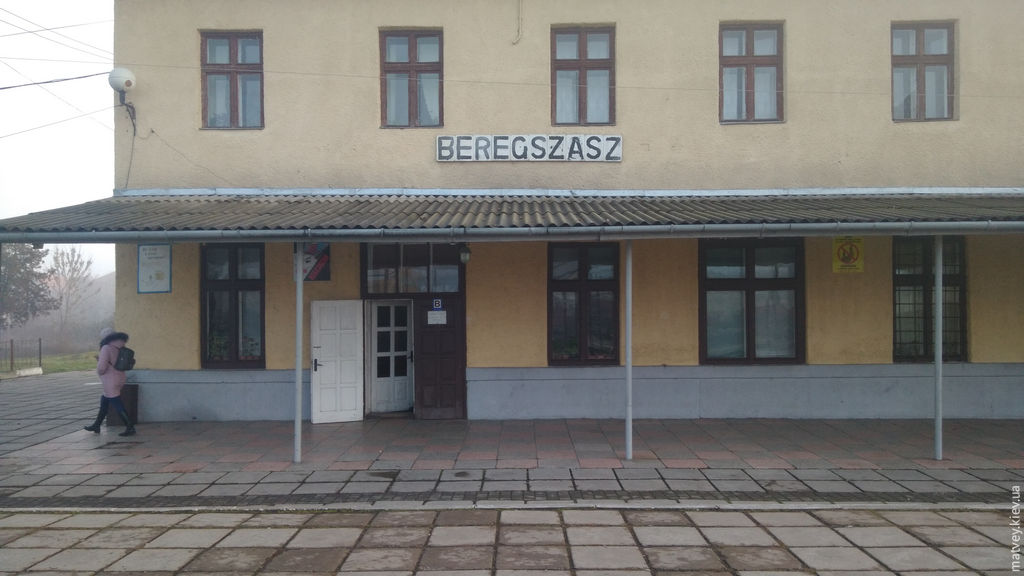
Why «Berehove», if there are no serious shores here? («Bereg» means «shore» in slavic languages.)
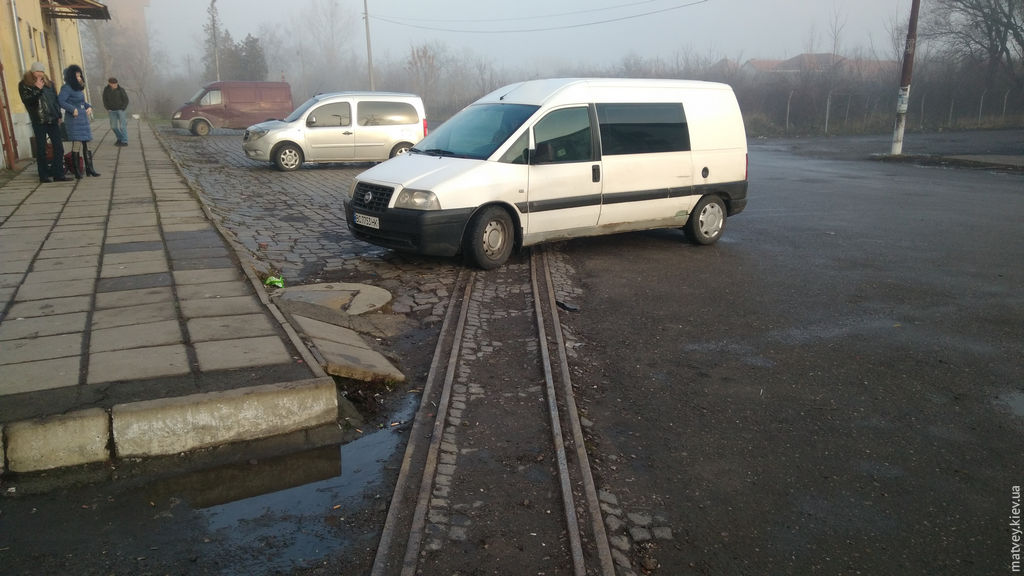
The tiny track of Borzhava narrow-gauge railroad was resting near the train station. It has been disused at the time of my visit. The locals weren't sure whether it was going to be used again, or not.
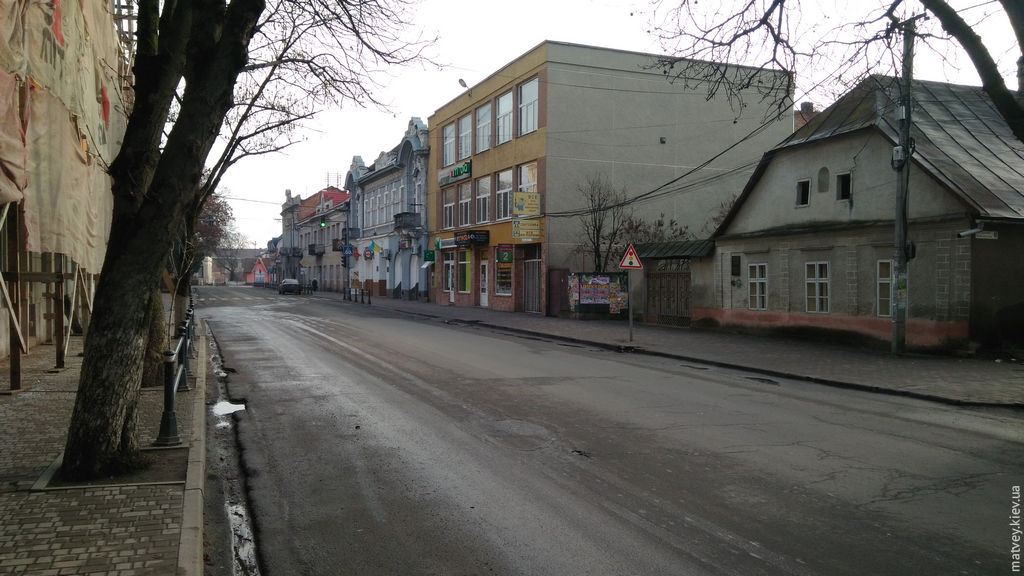
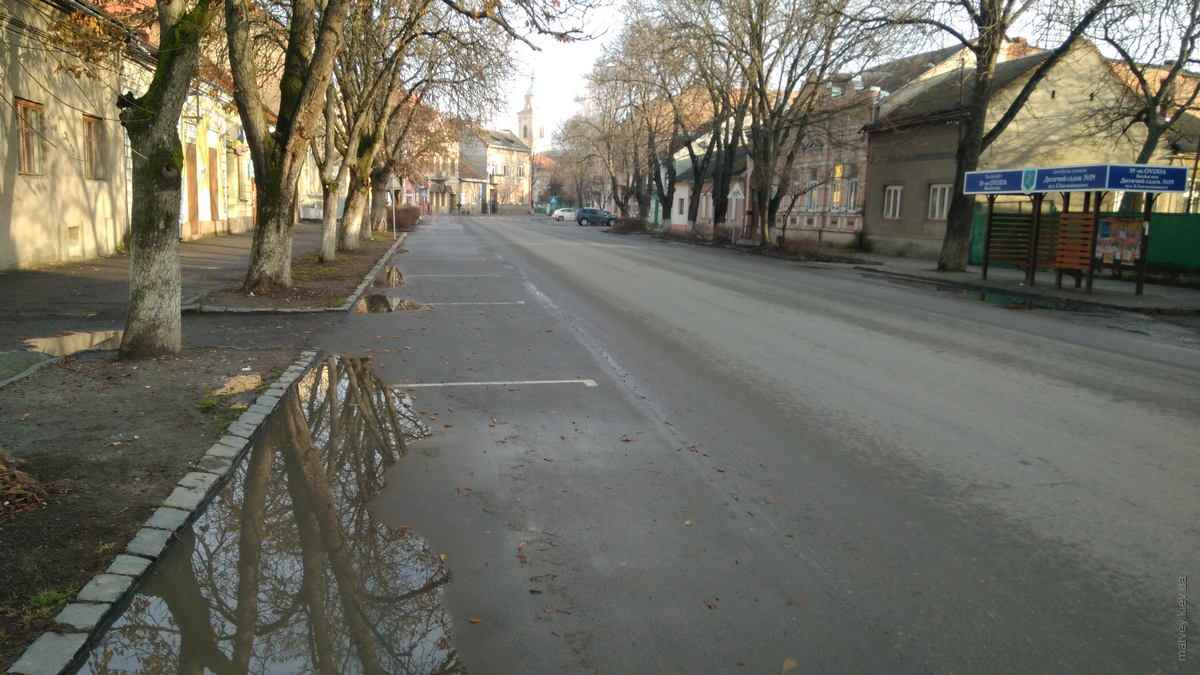
The streets were empty. It was rather early in the first day of the year — emptiness was expected.
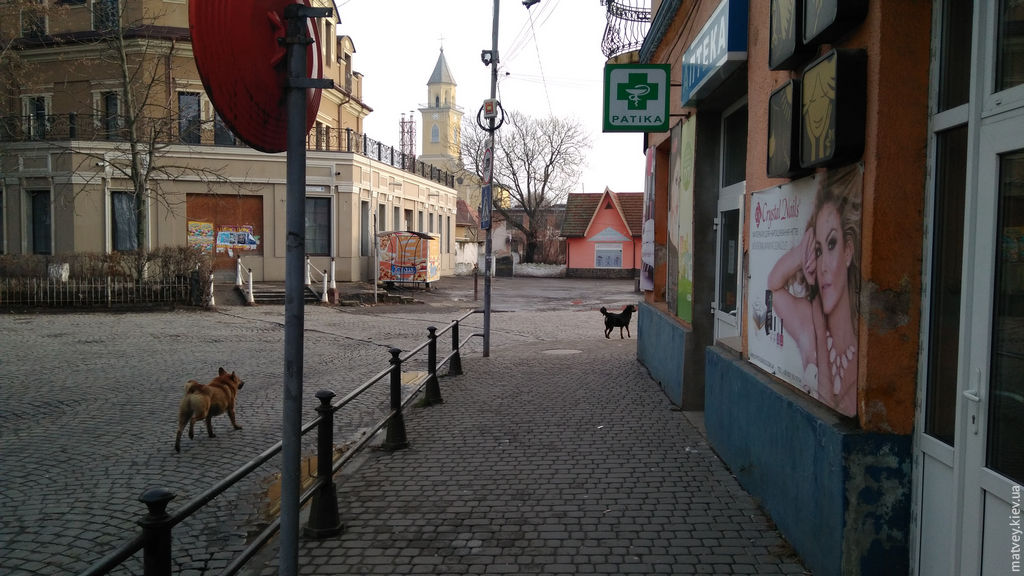
The dogs were roaming freely.
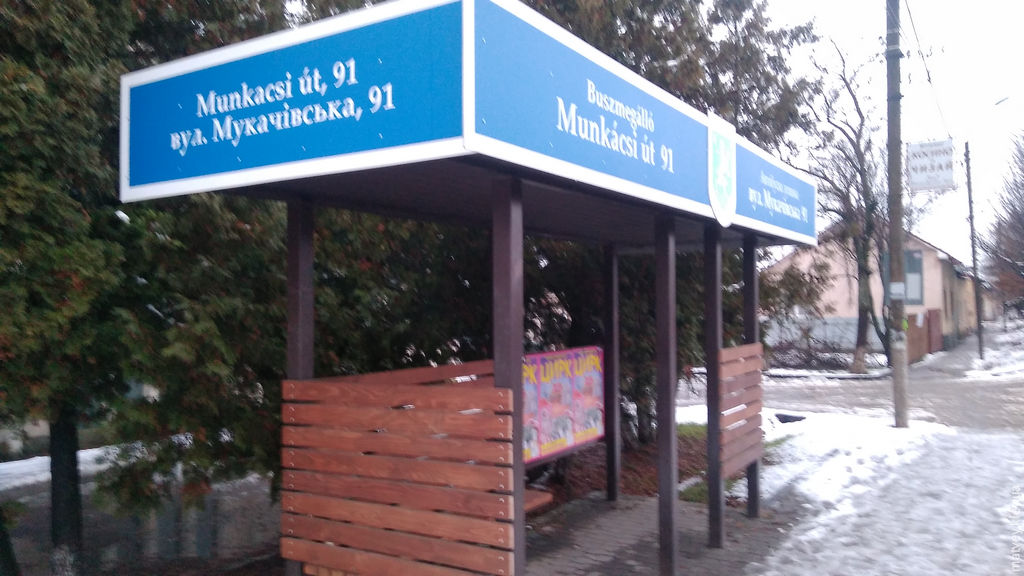
Most signs were bilingual.
A legtöbb tábla kétnyelvű volt.
Hungarian colors were hanging here and there.
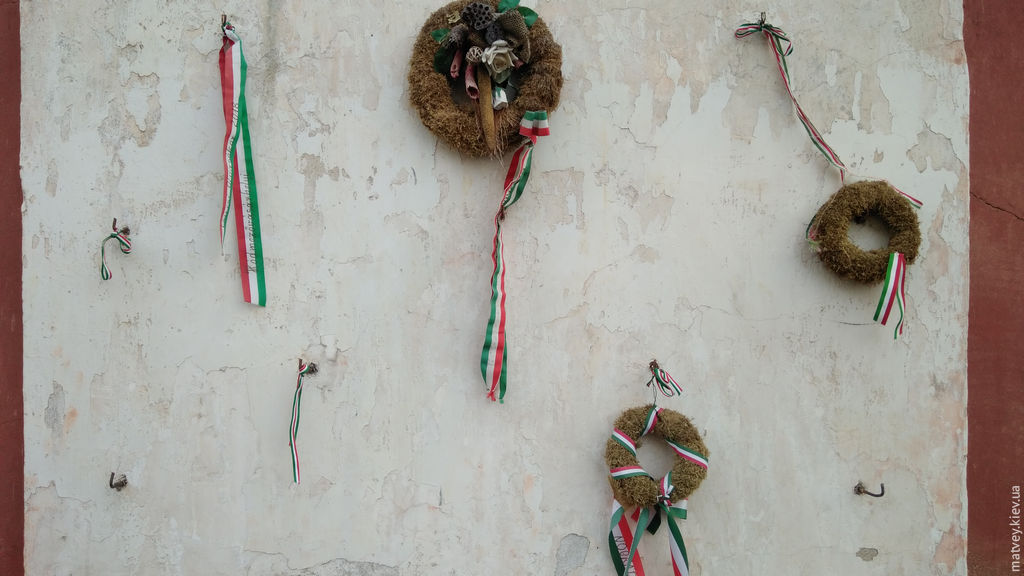
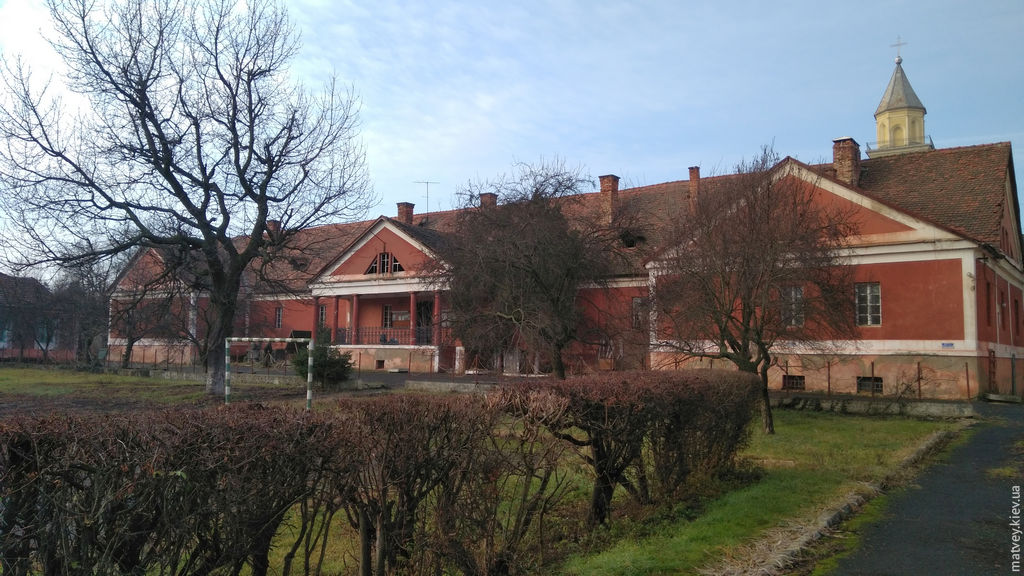
The museum of Berehove region was closed, but someone inside decided to let us in still. Thanks for that! I did not go, because someone had to guard our backpacks. And because I love the outside more than the inside, especially when the town is new to me.
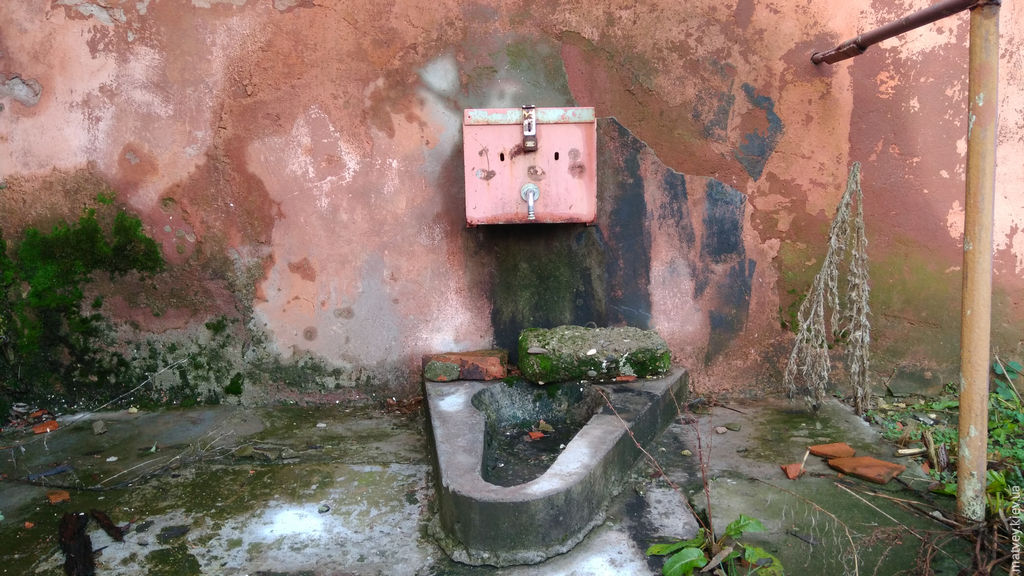
A nice water tap in the museum's wall.
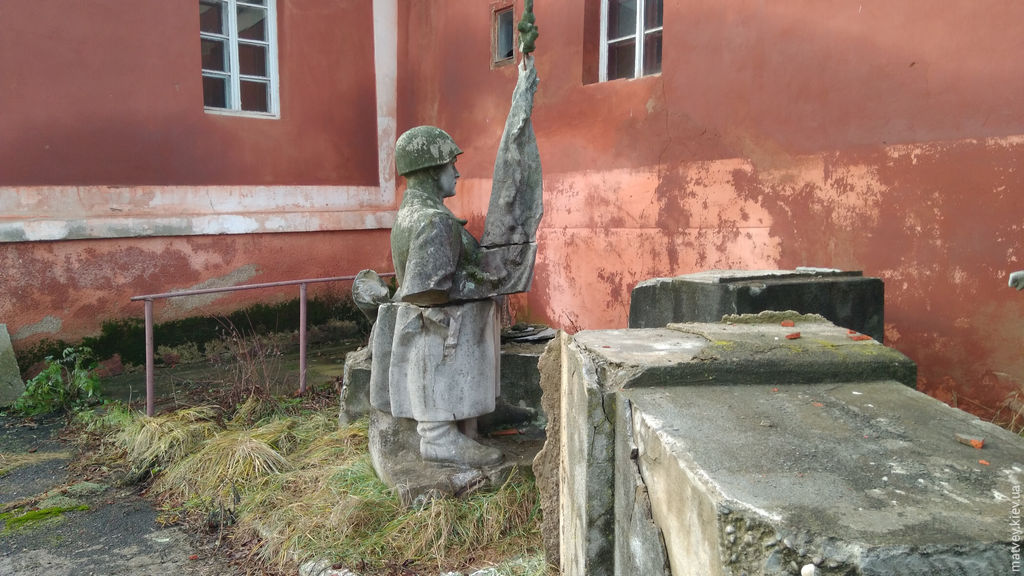
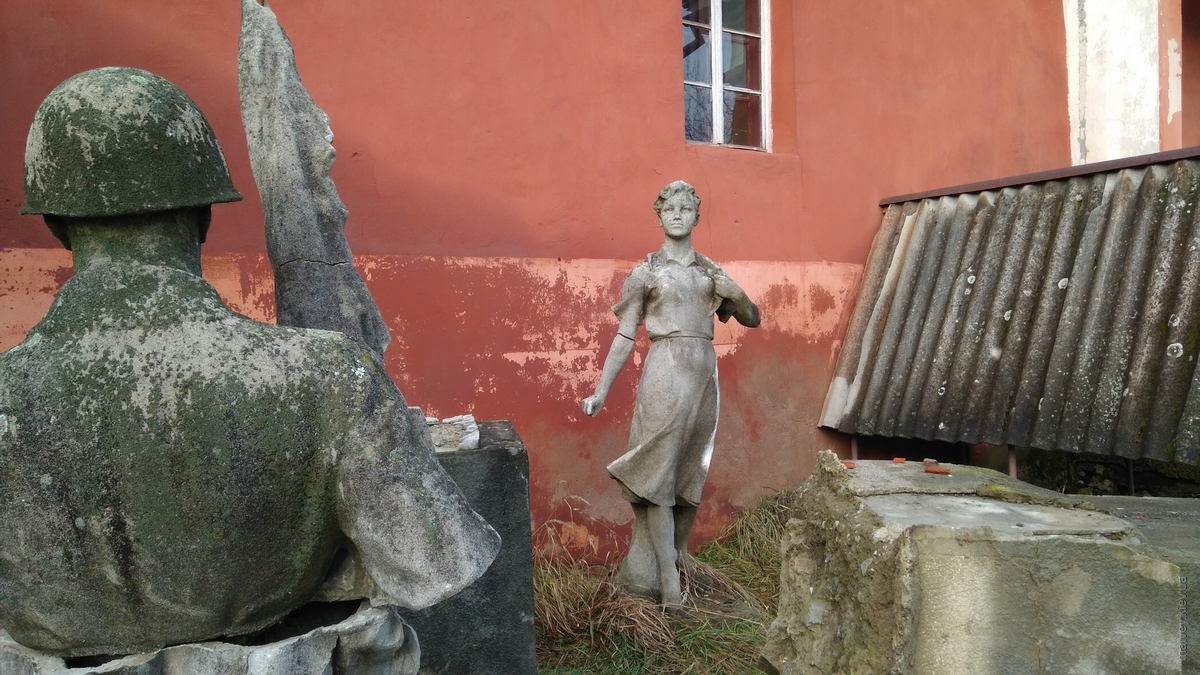
Found two removed old soviet sculptures: a soldier without a torso,
and a woman.
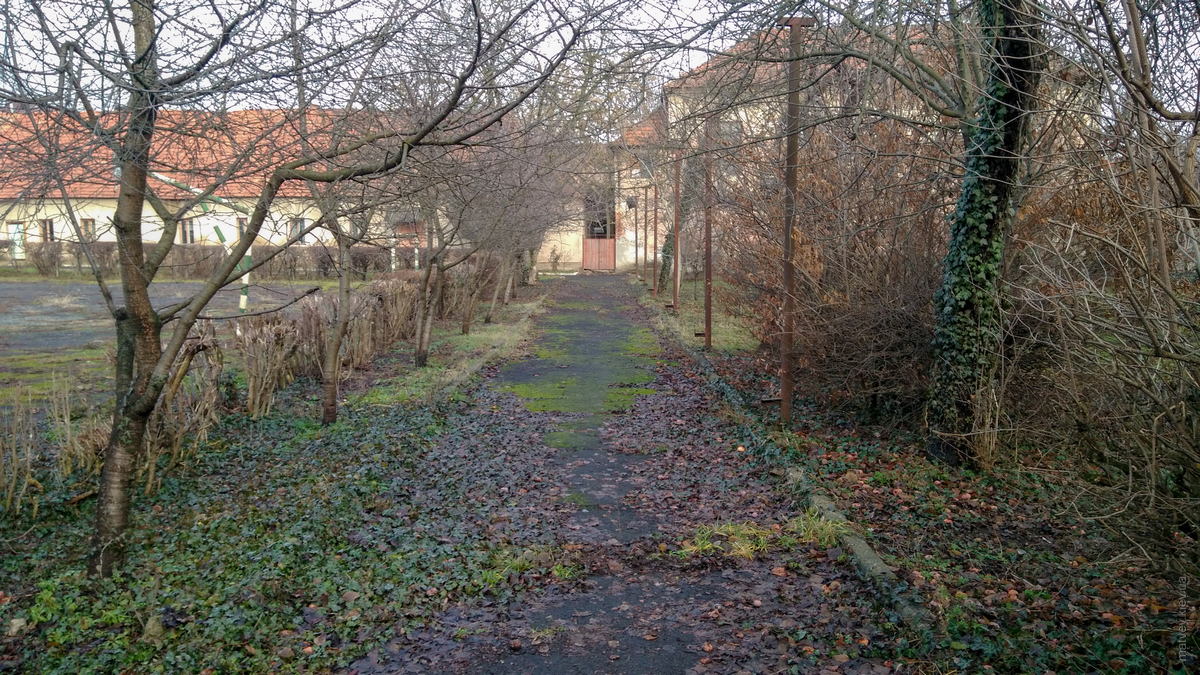
The museum had a big territory with footpaths and smaller buildings on the perimeter.
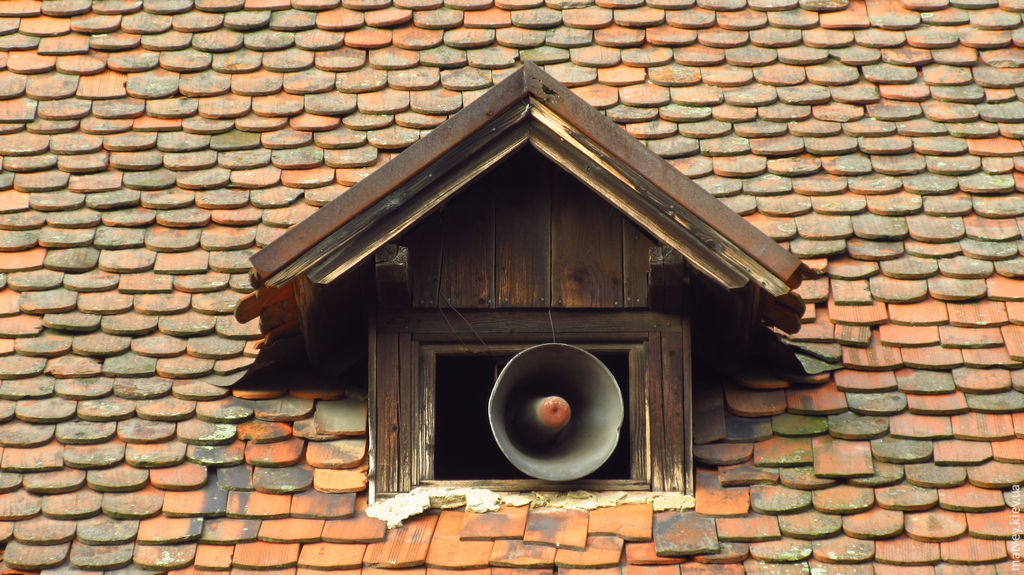
A loudspeaker was hanging from one of windows of the attic, directed into the inner platz of the museum. I have no idea what it was supposed to shout out; maybe the museum housed something else sometimes.
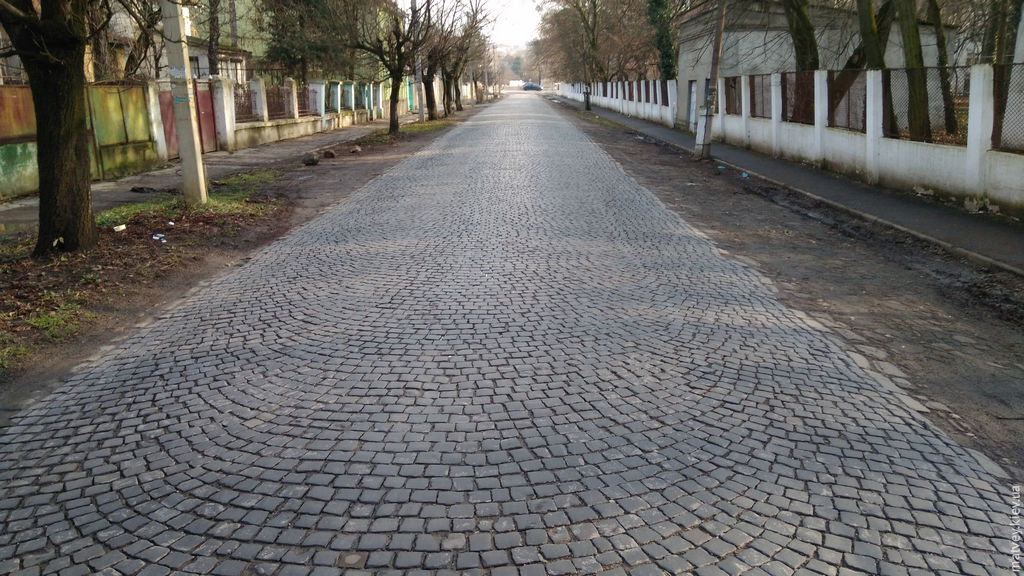
Lots of cobbles and pave of sorts were in the town. This nice road on the below photo is B. Linner street.
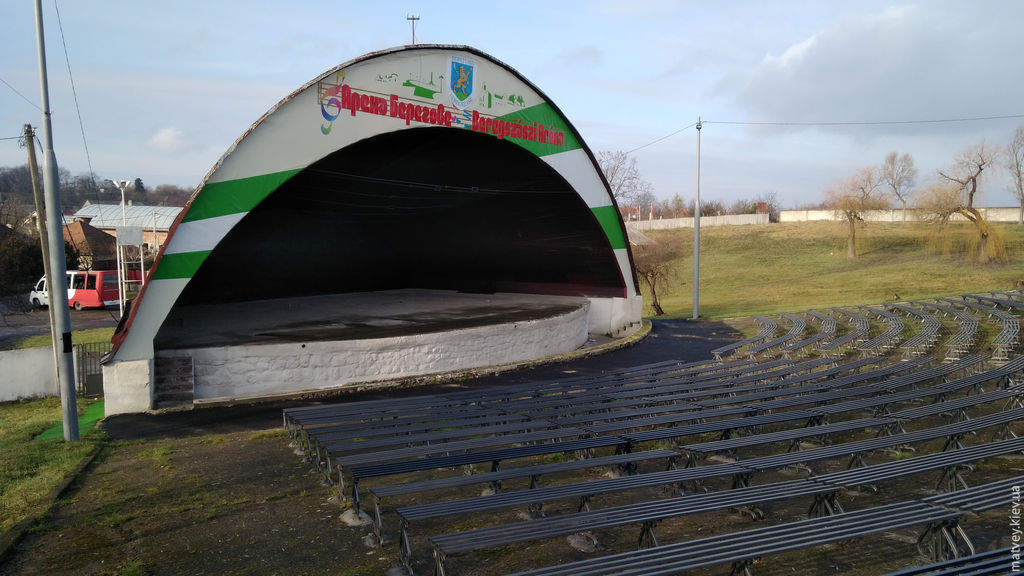
This summer stage on the edge of the town is called the Amphitheatre.
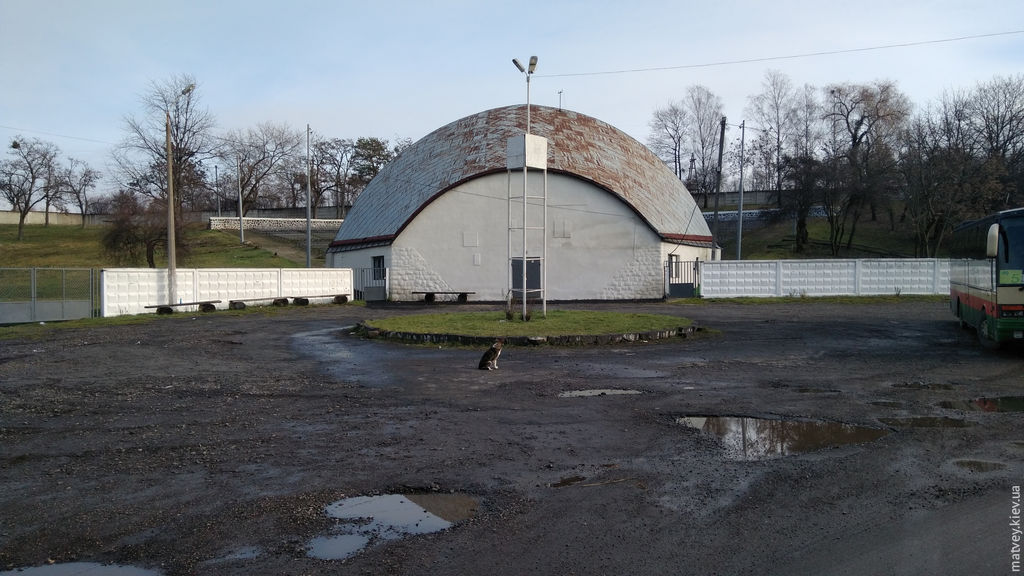
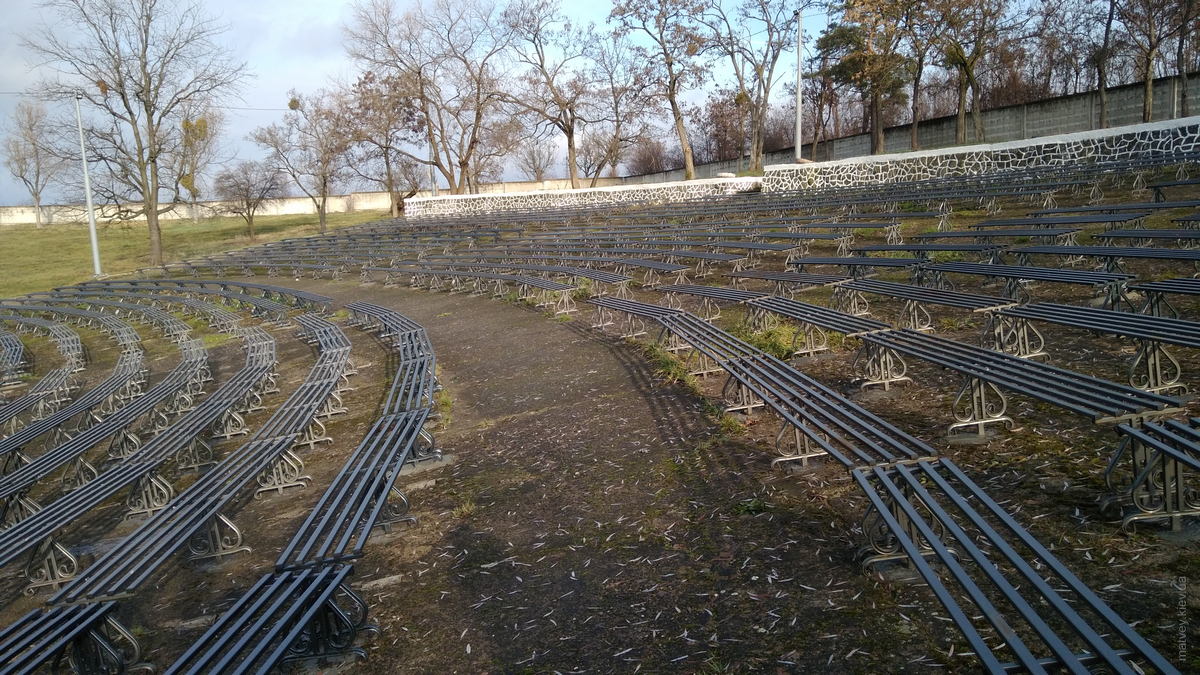
The stage was obviously not abandoned and serving its purpose — the seats were all new, and everything was clean.
The river of this town was called Verke. It did not look interesting.
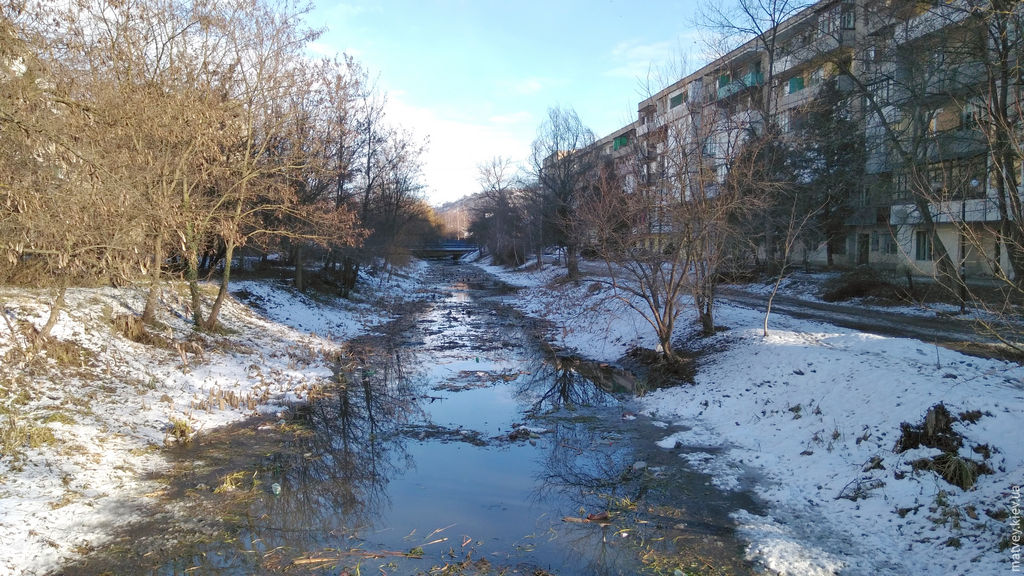
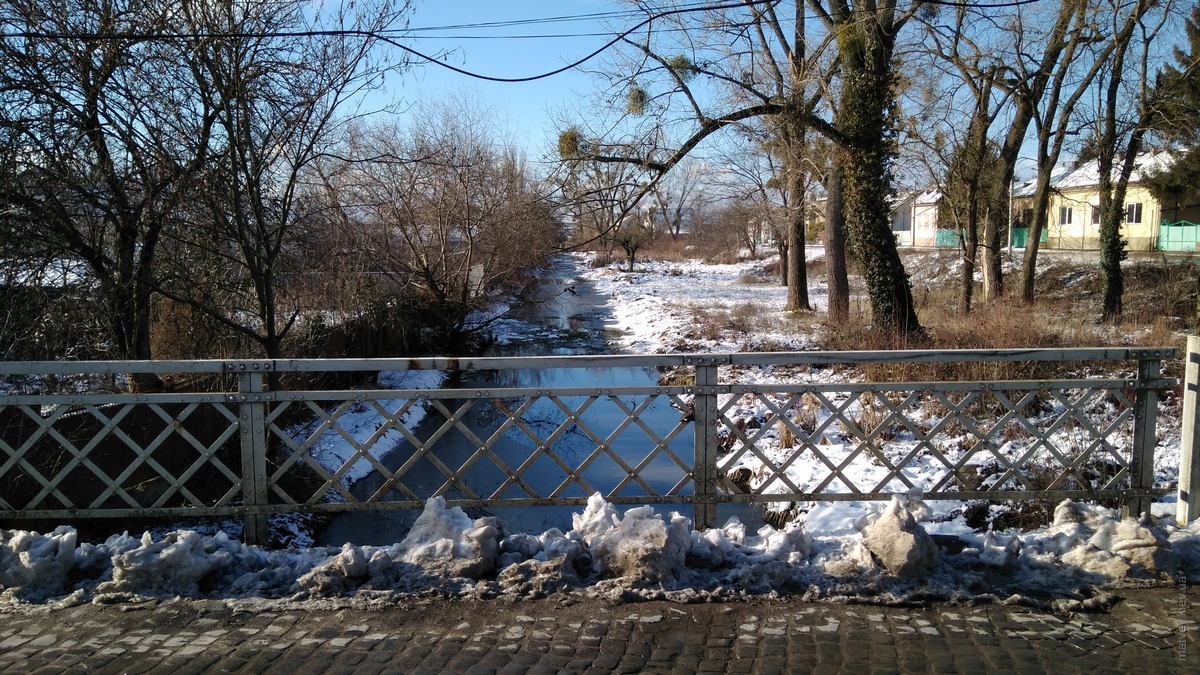
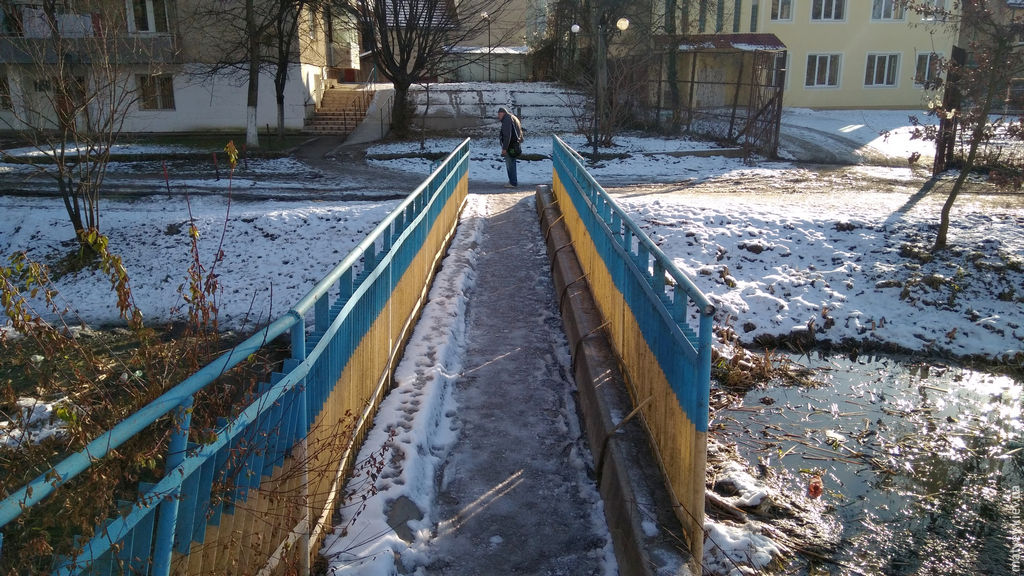
There were lots of bridges and footbridges over this small river in Berehove.
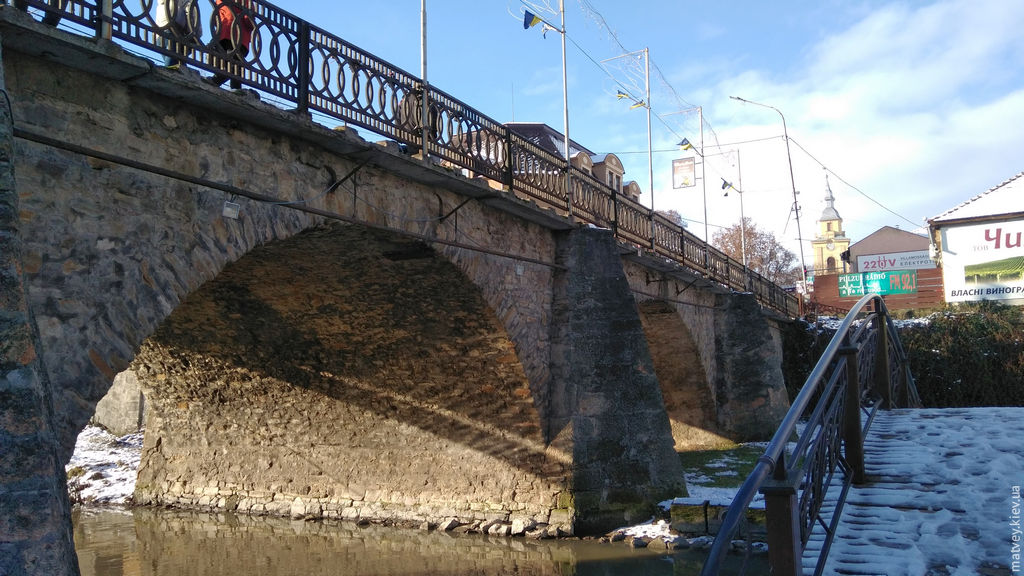
The old bridge was a tourist destination, to a small extent.
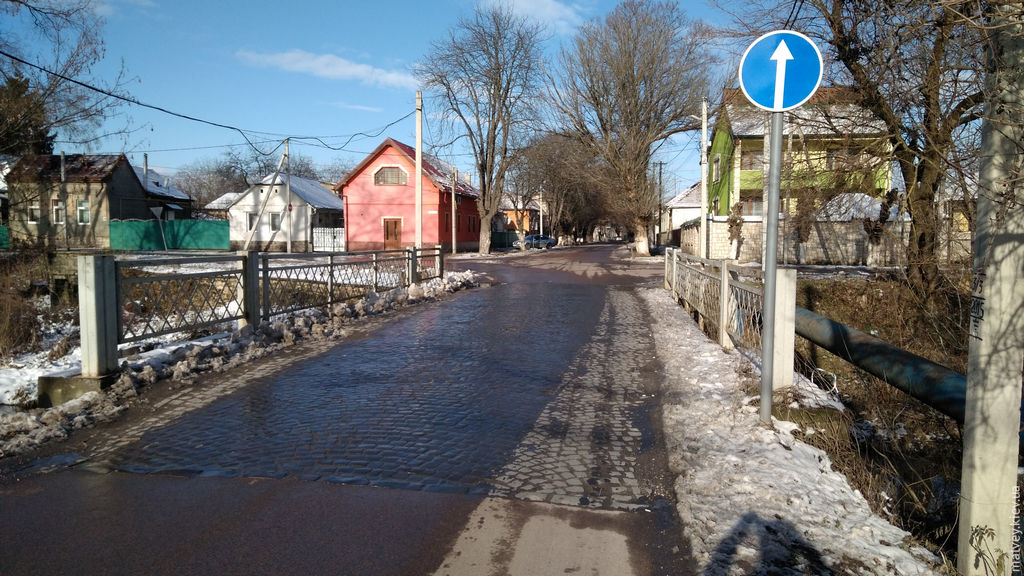
Other bridges were just being bridges.
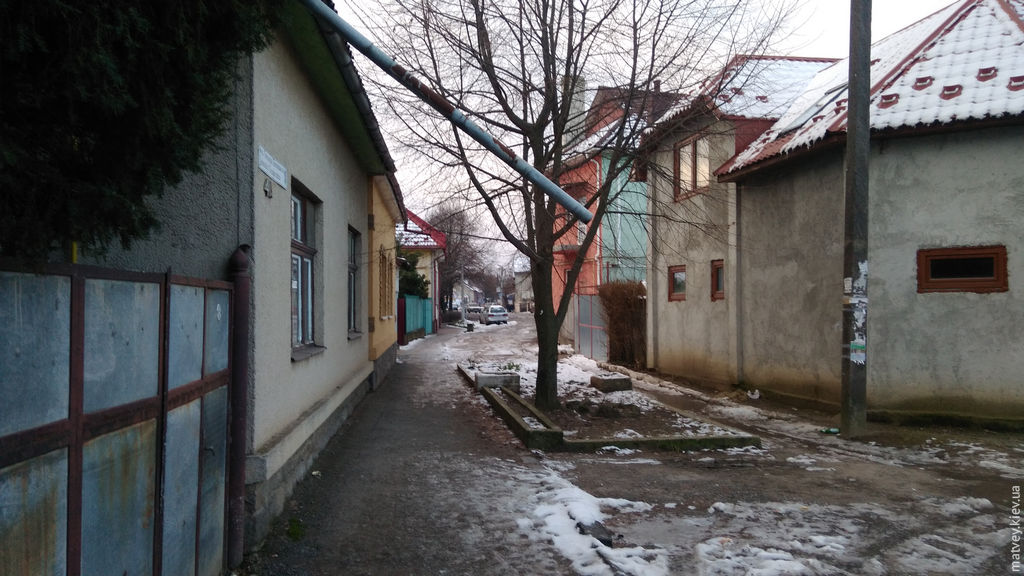
People placed their roof water pipes in such a thoughtful and polite way that the water did not fall on pedestrians. This was very nice of them! Strange that I haven't seen this elsewhere.
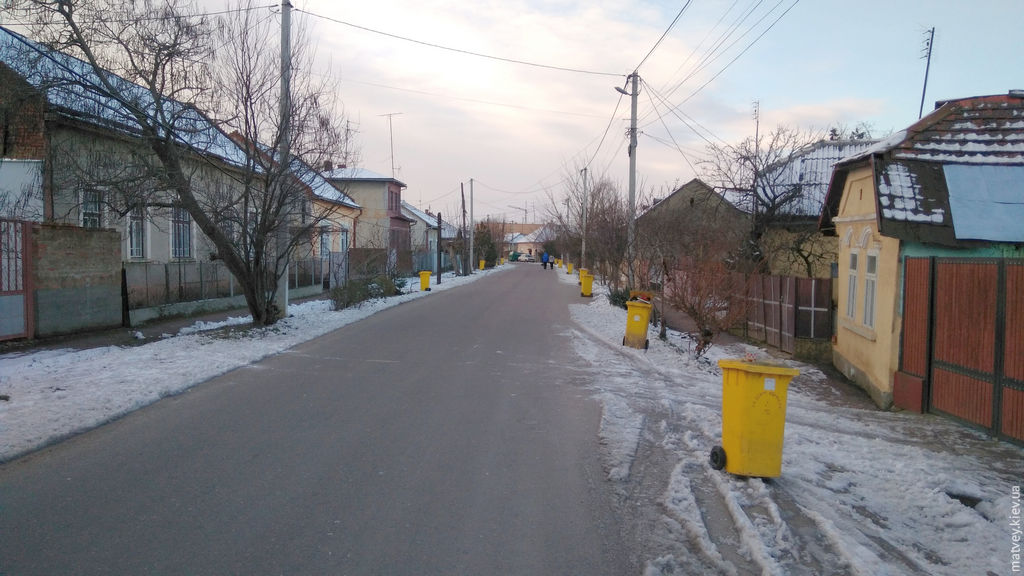
This was how they managed waste on a living street.
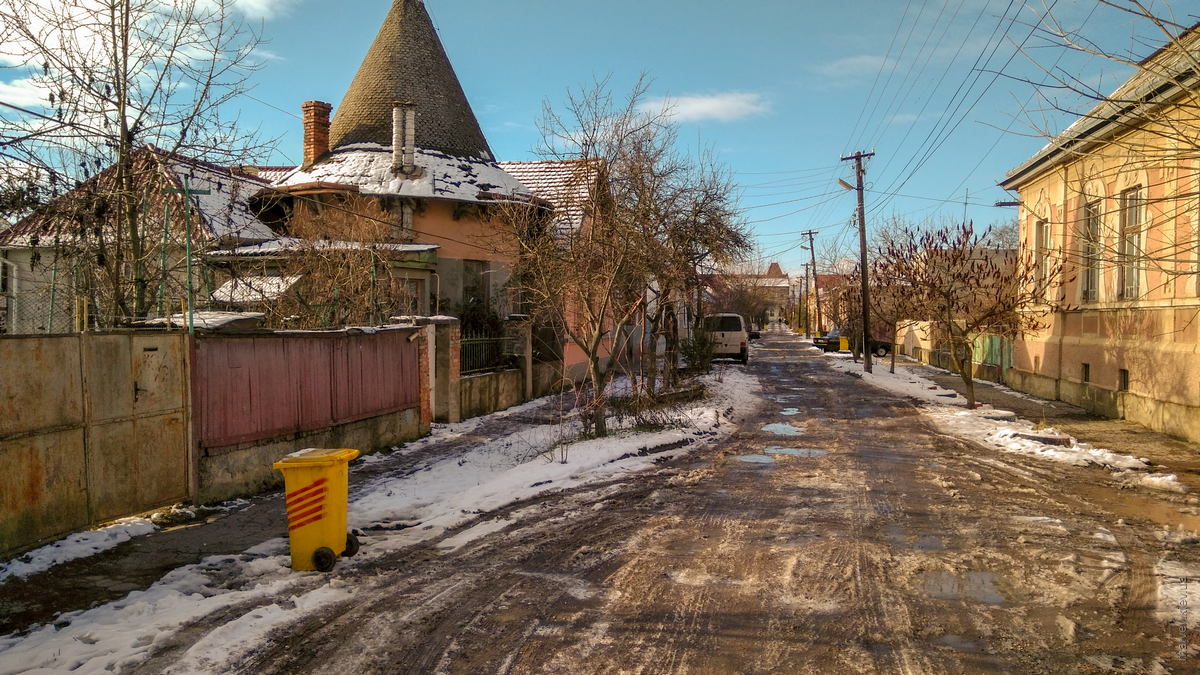
There were unusual private houses in some places.
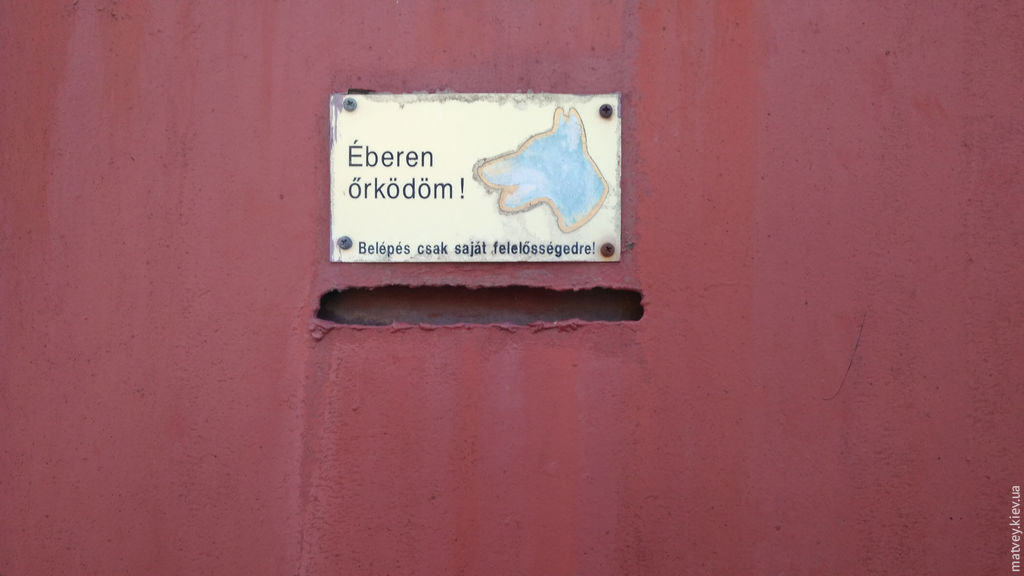
The «beware of the dog» sign in Hungarian.
If I heard it right, this was constructivism.
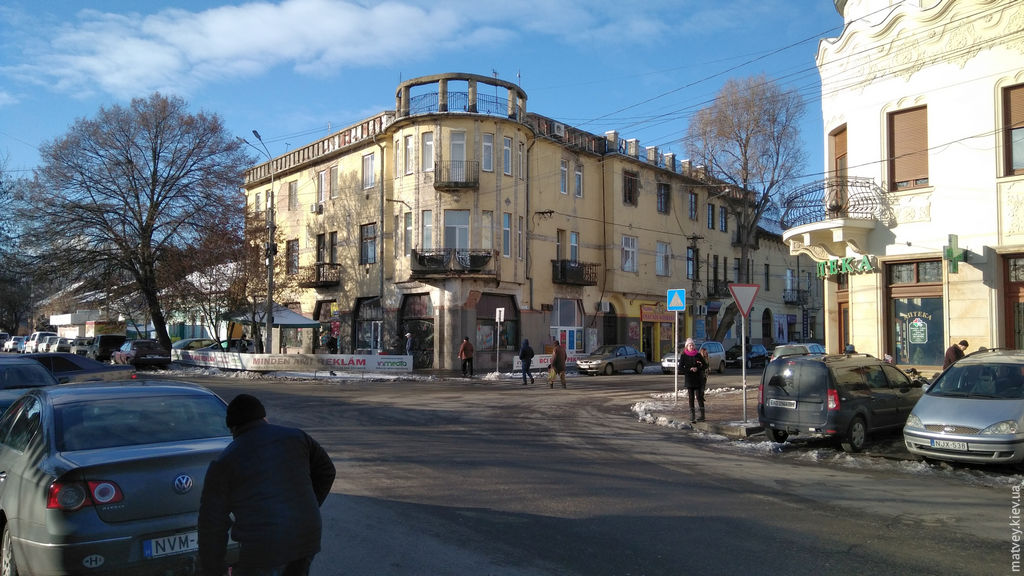
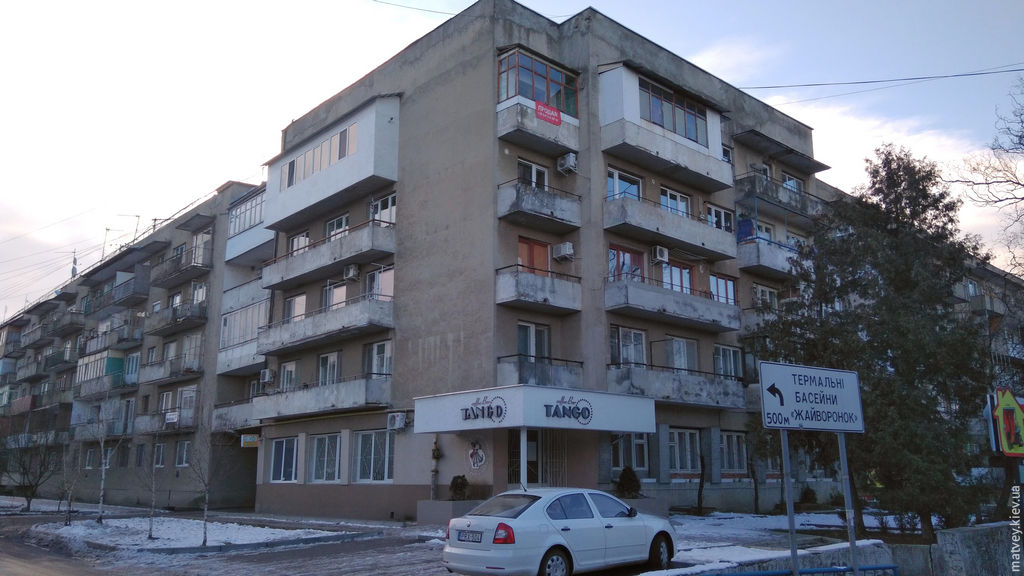
One of multi-storied living houses.
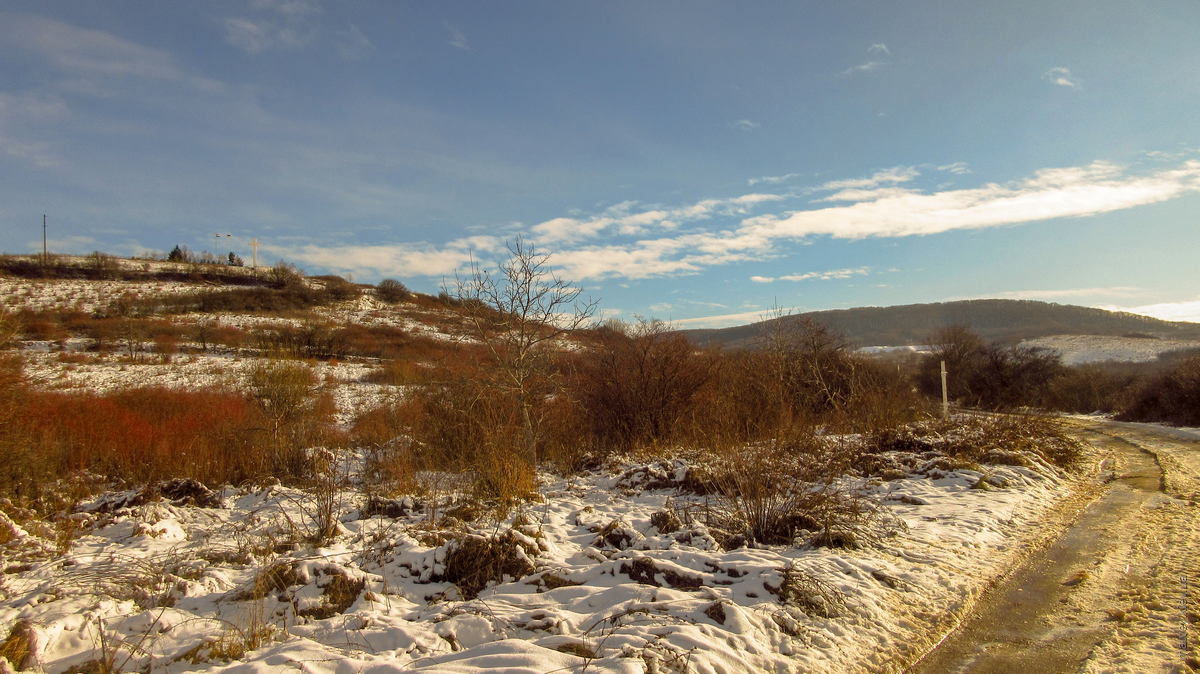
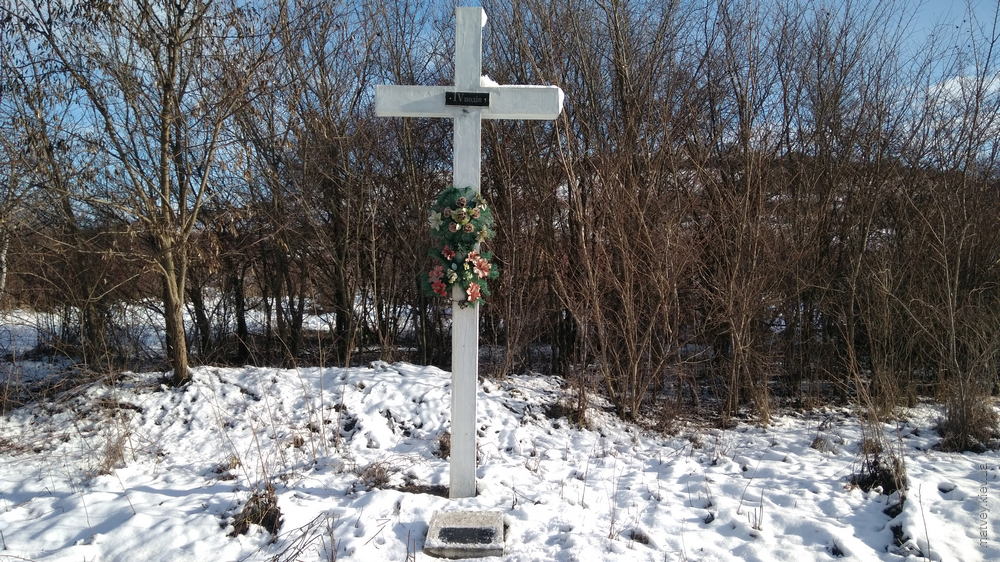
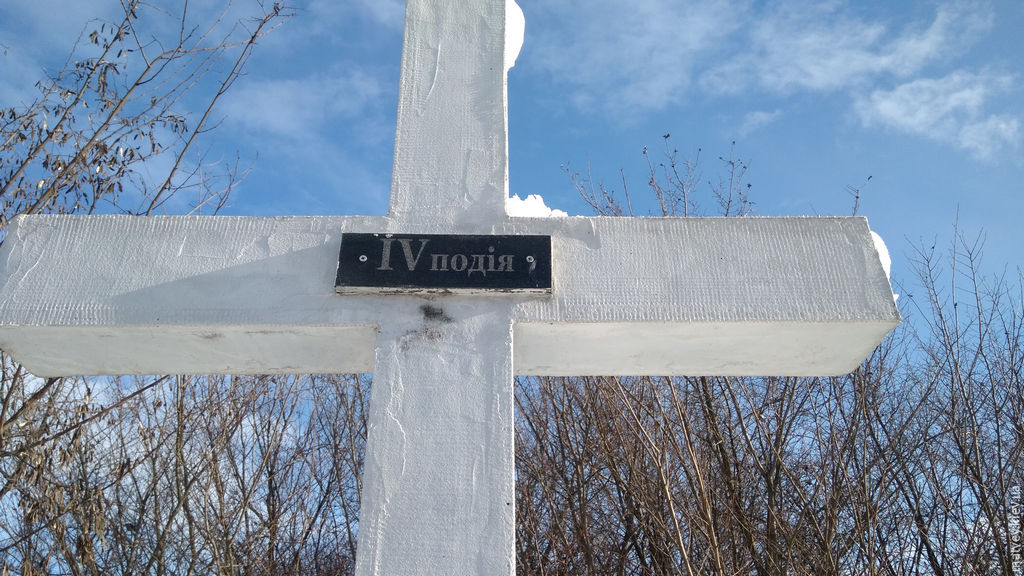
I got myself to the top of the nearby hill called Kerek. It turned out to be a christian place, playing the role of Via Dolorosa, with crosses dedicated to the biblical «stations» installed roadside. The final cross was placed on the hilltop, flanked by two flagpoles.
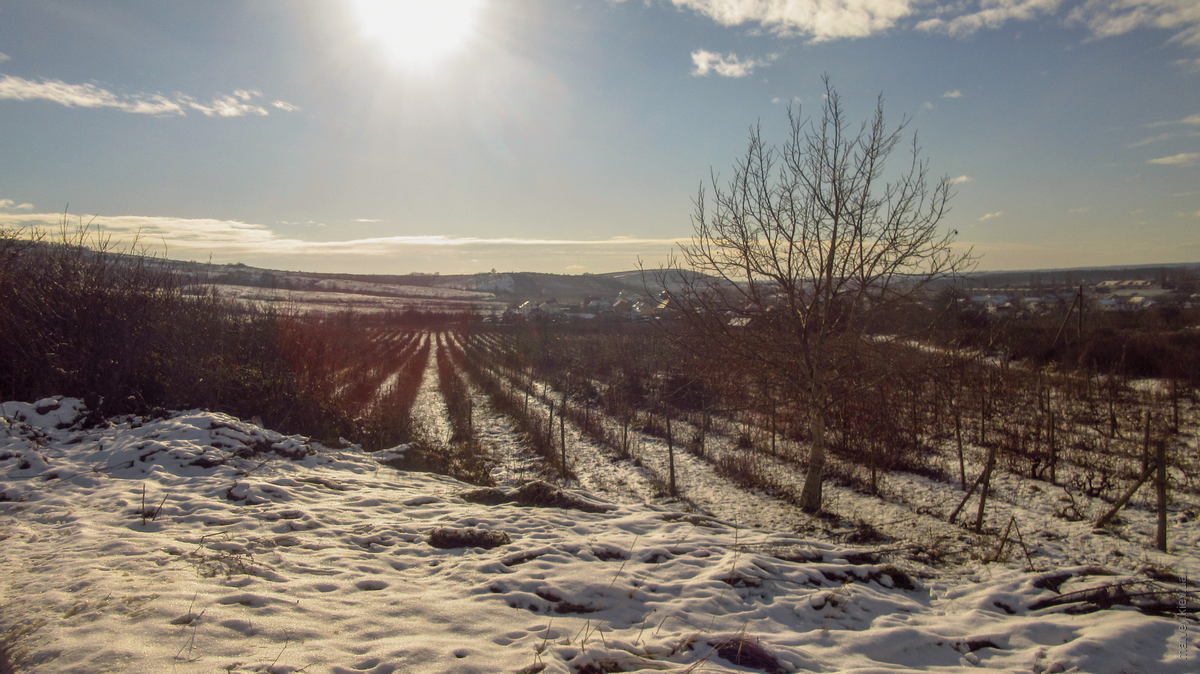
The beginning of the unpaved road to the top of Kerek and a vineyard seen from that road.
One of the wayside crosses.
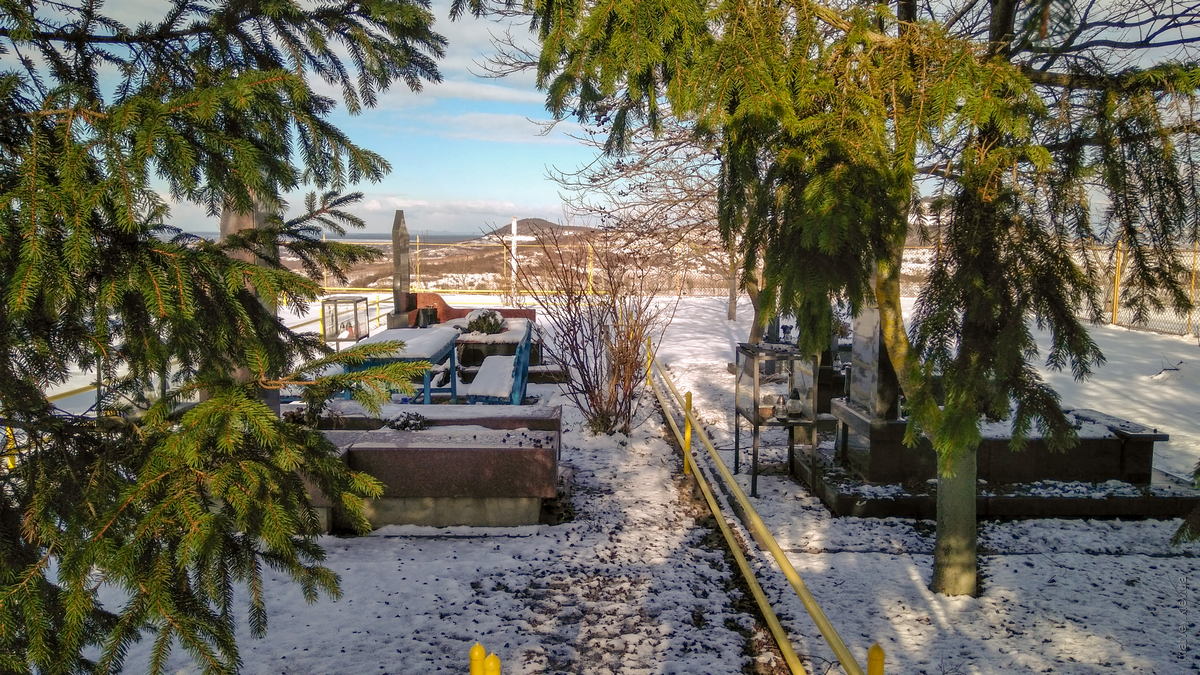
There were a few graves on the hilltop, in the shadow of several trees standing on the otherwise bald Kerek.
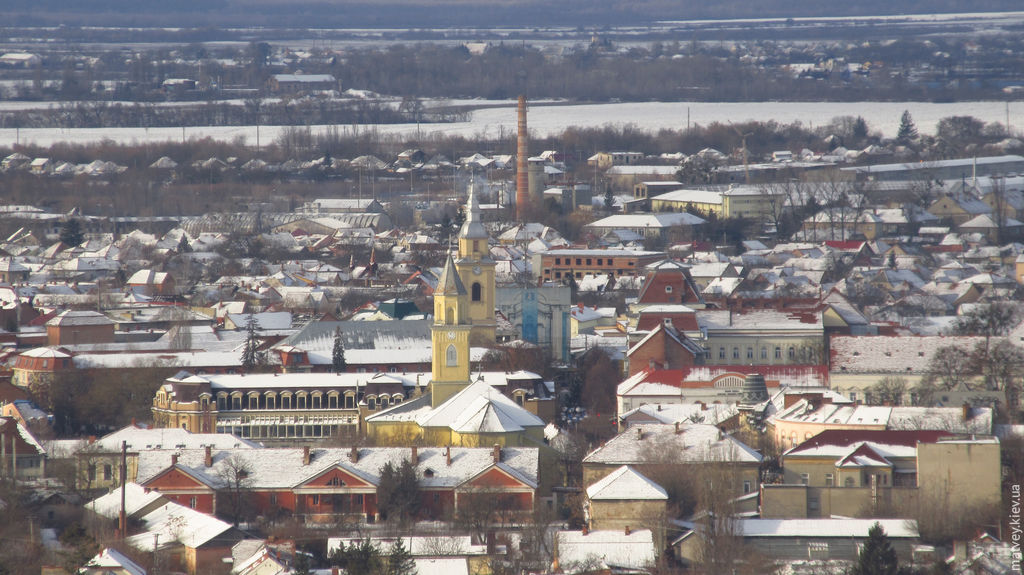
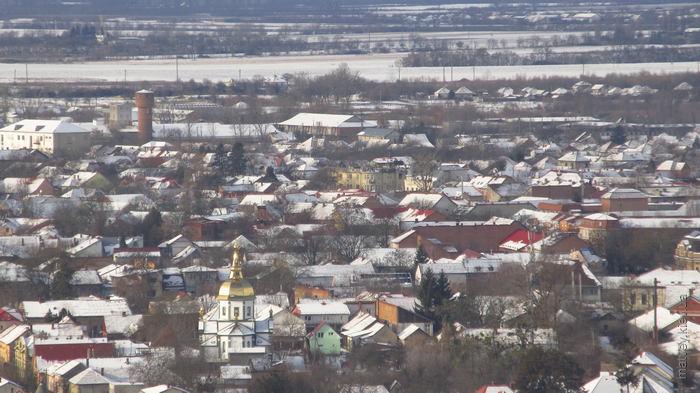
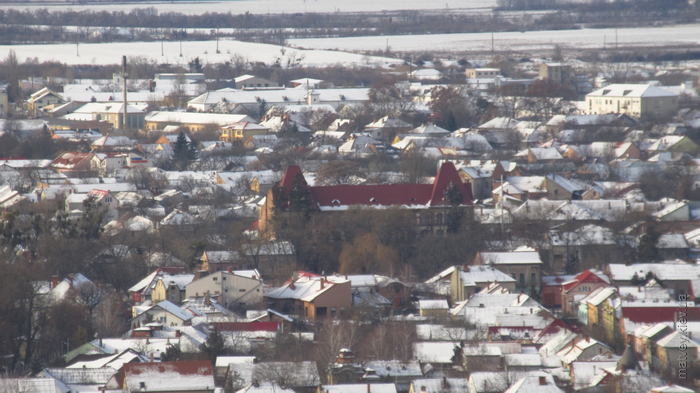
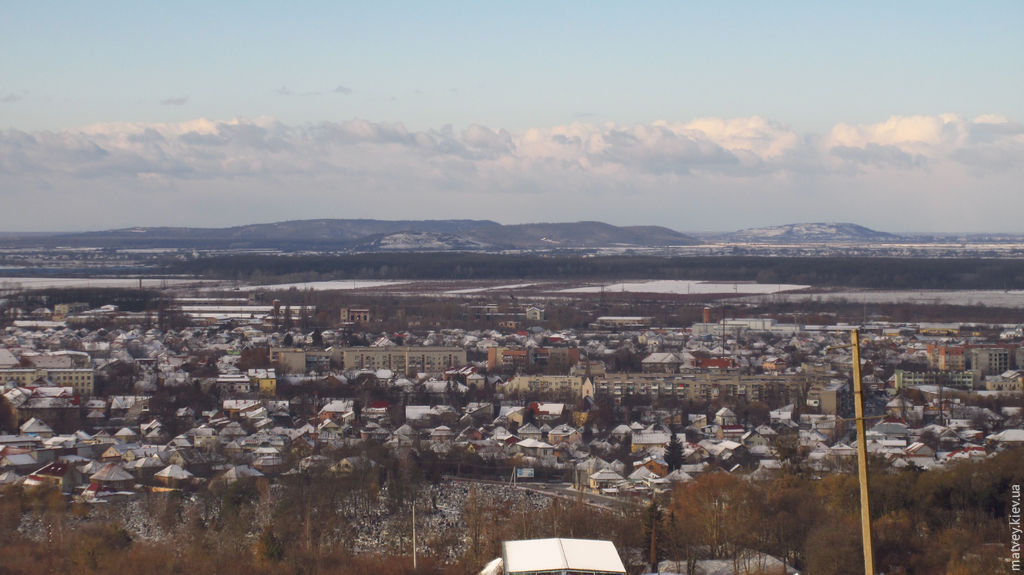
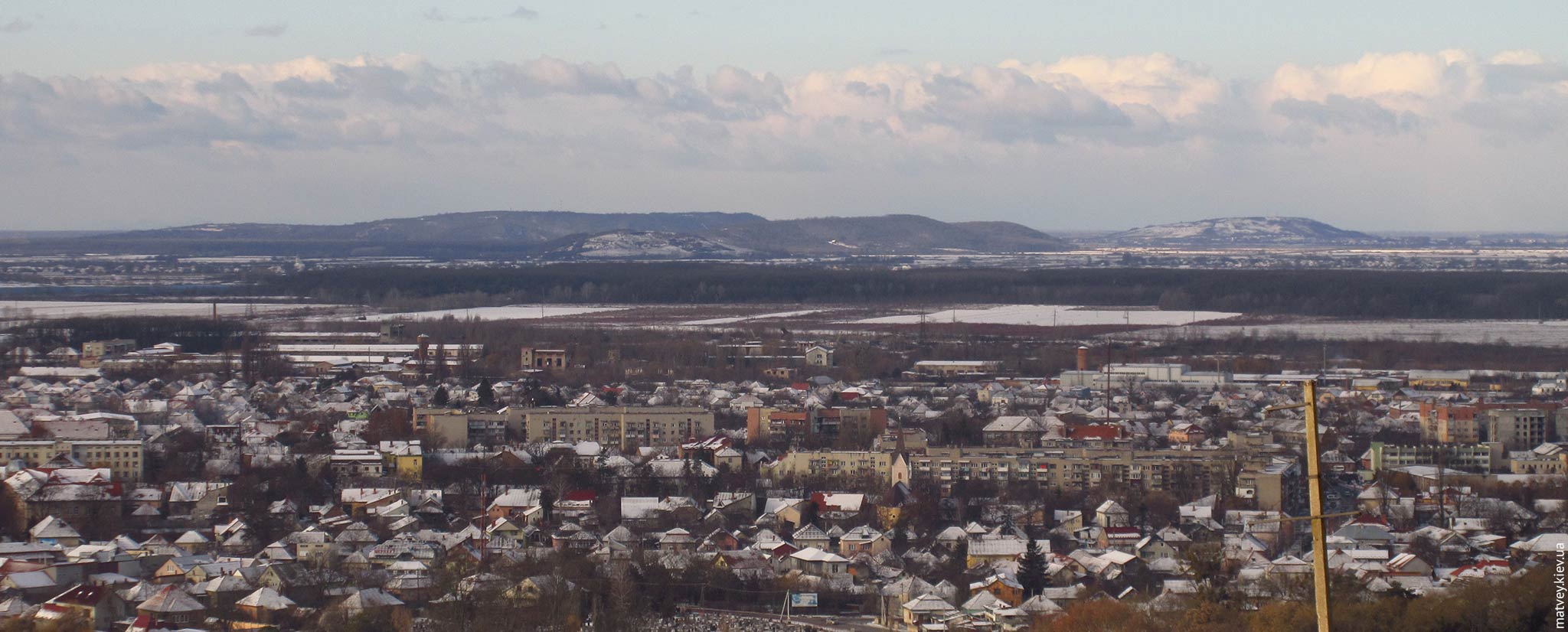
From the hilltop, the snow-covered Berehove could be seen.
As well as other hills.
I loved this town very much and hope to visit again.