Got of the train at the little and lovely railway platform «Karpaty» 15 km from Mukachevo.
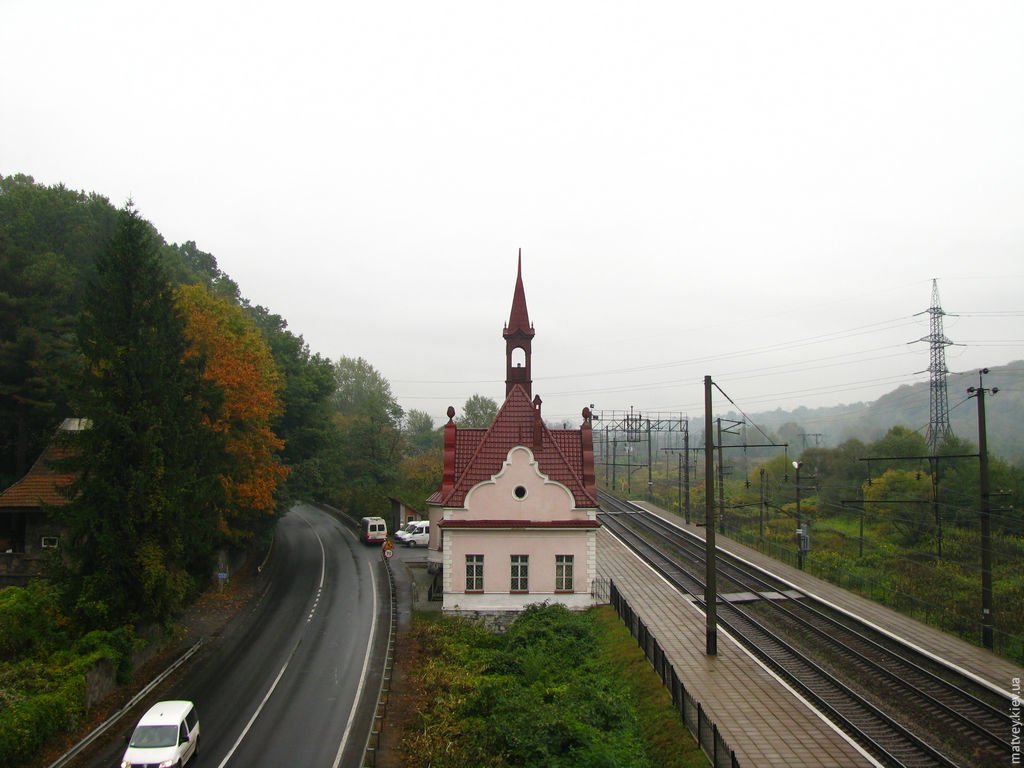
Got of the train at the little and lovely railway platform «Karpaty» 15 km from Mukachevo.
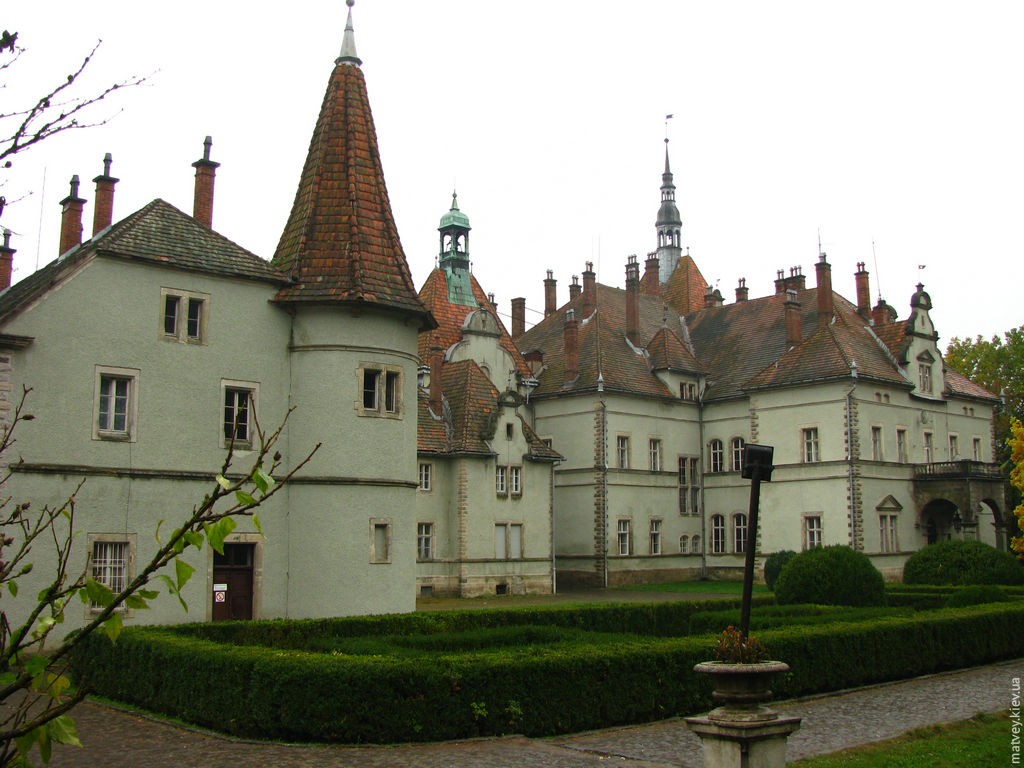
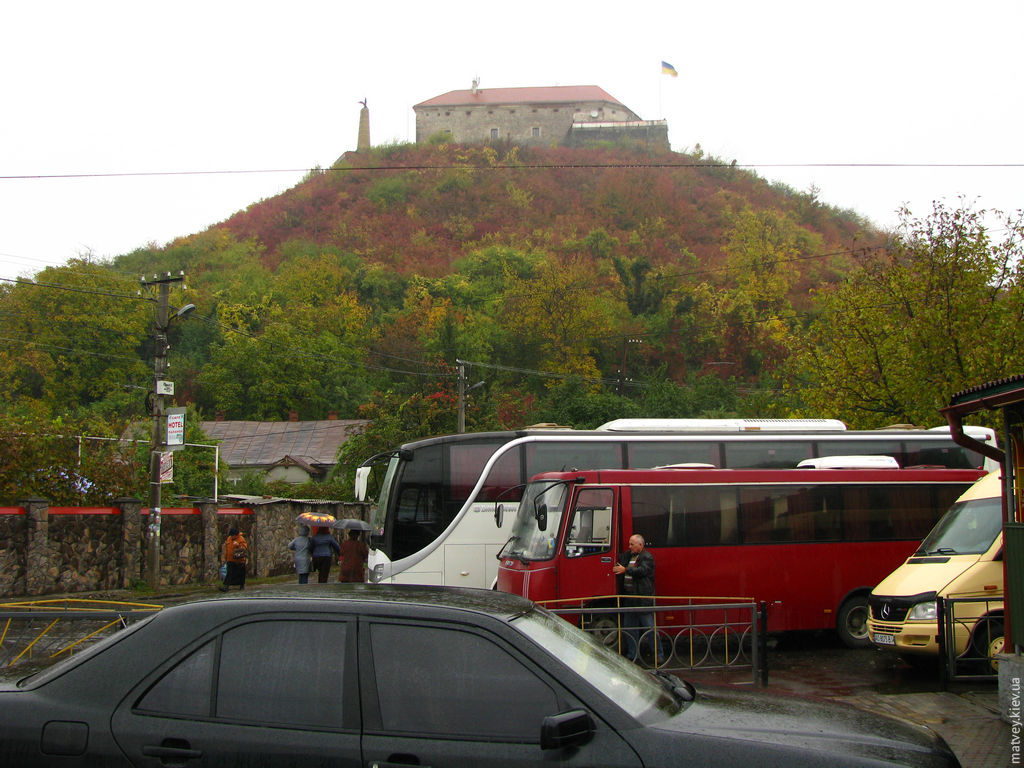
There is a castle on a hillside close to that train station. Once called Beregvar, the castle belonged to the austria-hungarian rich family of Shenborns. They had more than one castle to choose from. This castle is part of a sanatorium, namely building nr. 2. The entry fee was UAH 20.
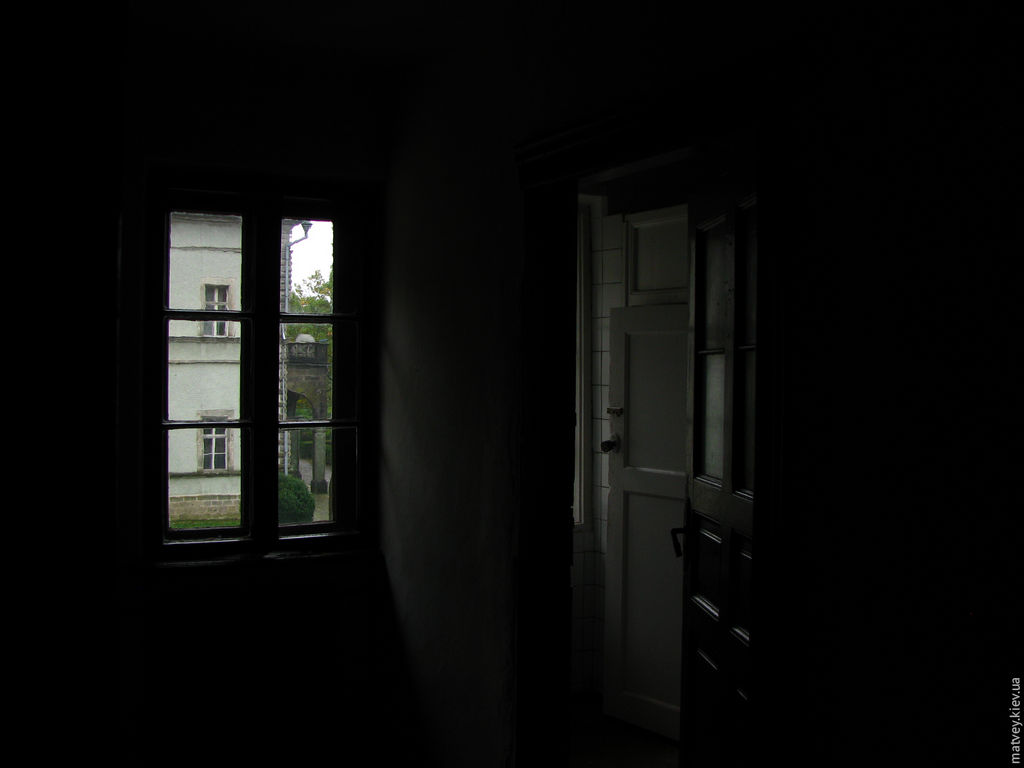
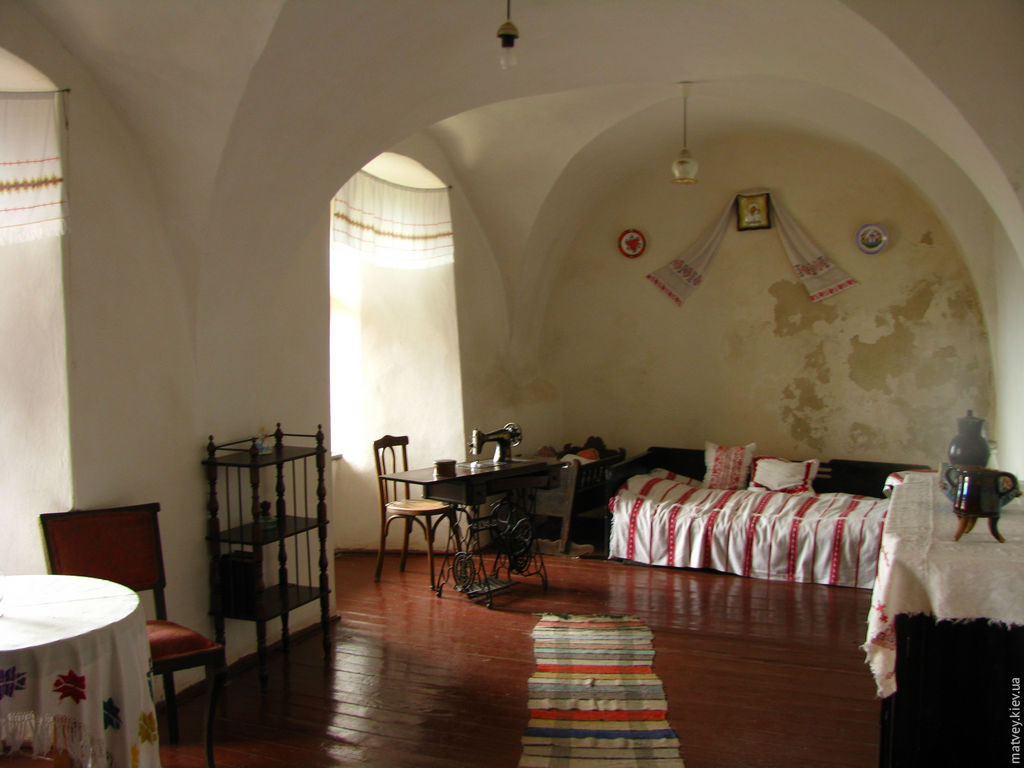
The castle entry was allowed — both on your own, and with a guide. It was dull and half-dark inside.
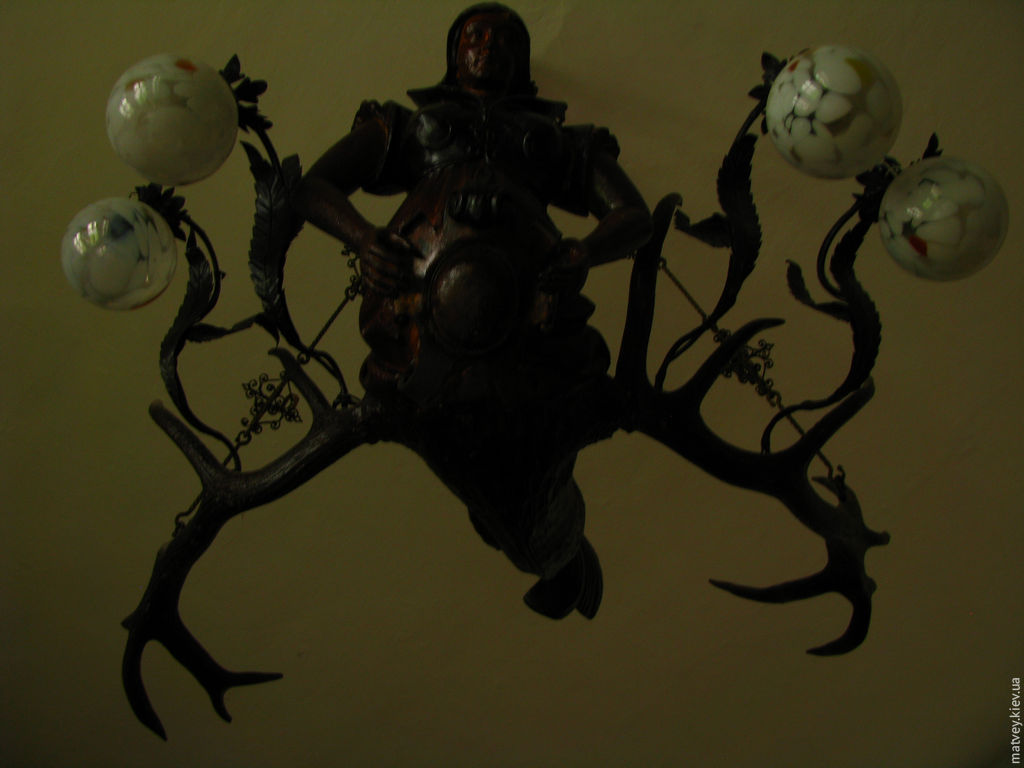
Guides were showing people this chandelier called «Melusine» as if it was something of exceptional interest, and were telling crazy numerological myths about the connection between the calendar and the number of windows in the castle.
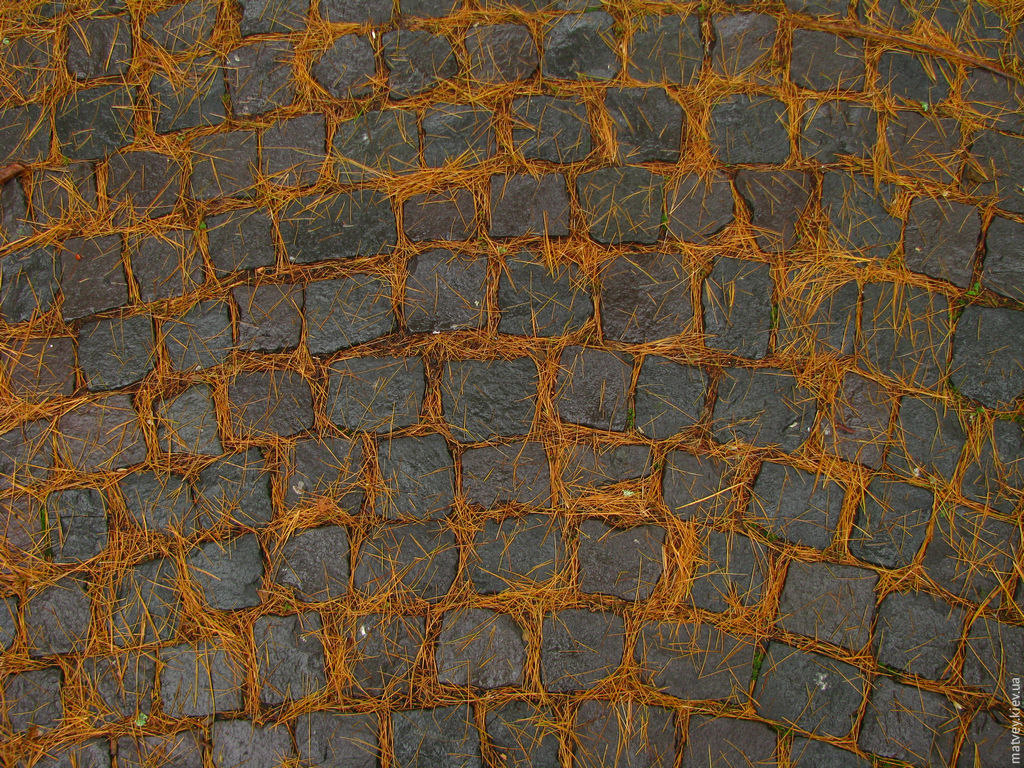
I did not find the castle interesting or pleasant. All the beauty was outside. I spent more time staring at this red fir between the paving tiles, than I did inside the castle.
The water spring was not a very nice looking one itself, but it was surrounded by the beauty of Carpathians.
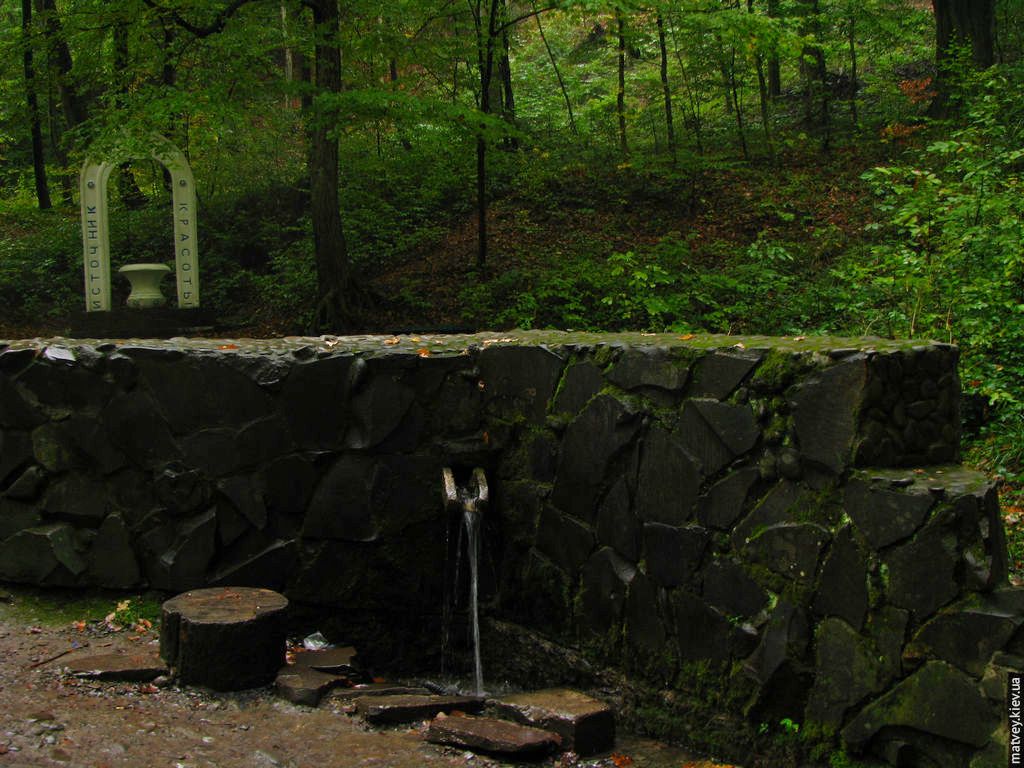
Those who do not believe in water cycle for some reason, can be converted here. The water constantly falls back from where it got up to. Carpathians are the kingdom of water.
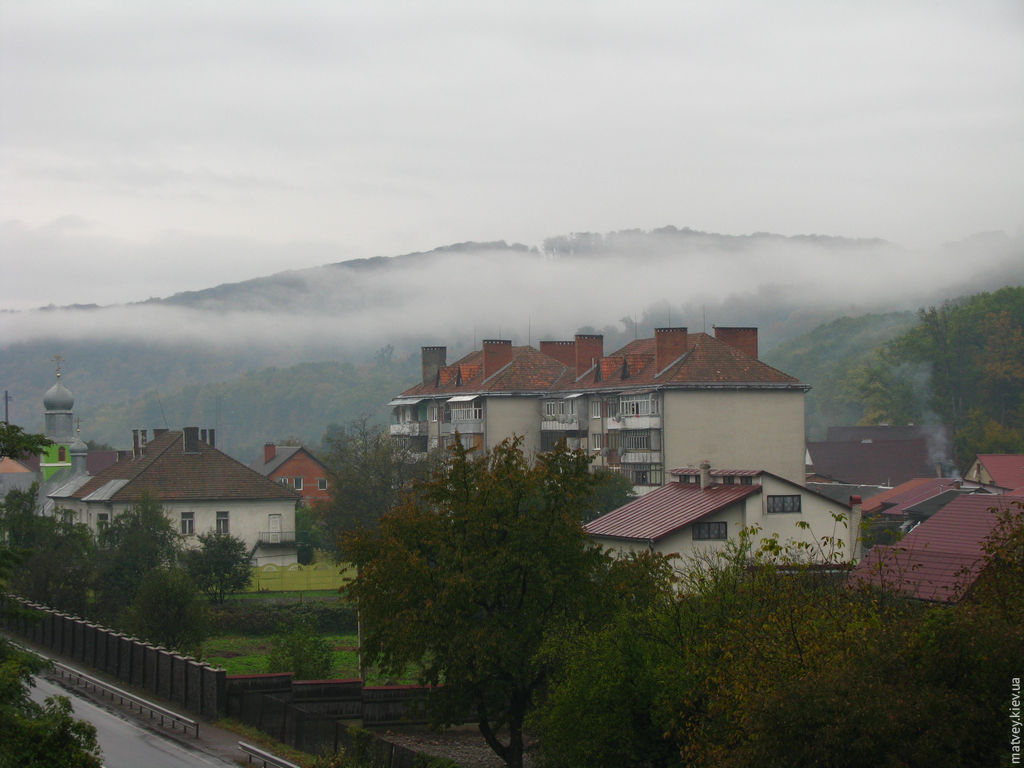
Almost everything has been closed in the town on weekend. I heard about this cultural phenomenon, but still didn't get used to it.
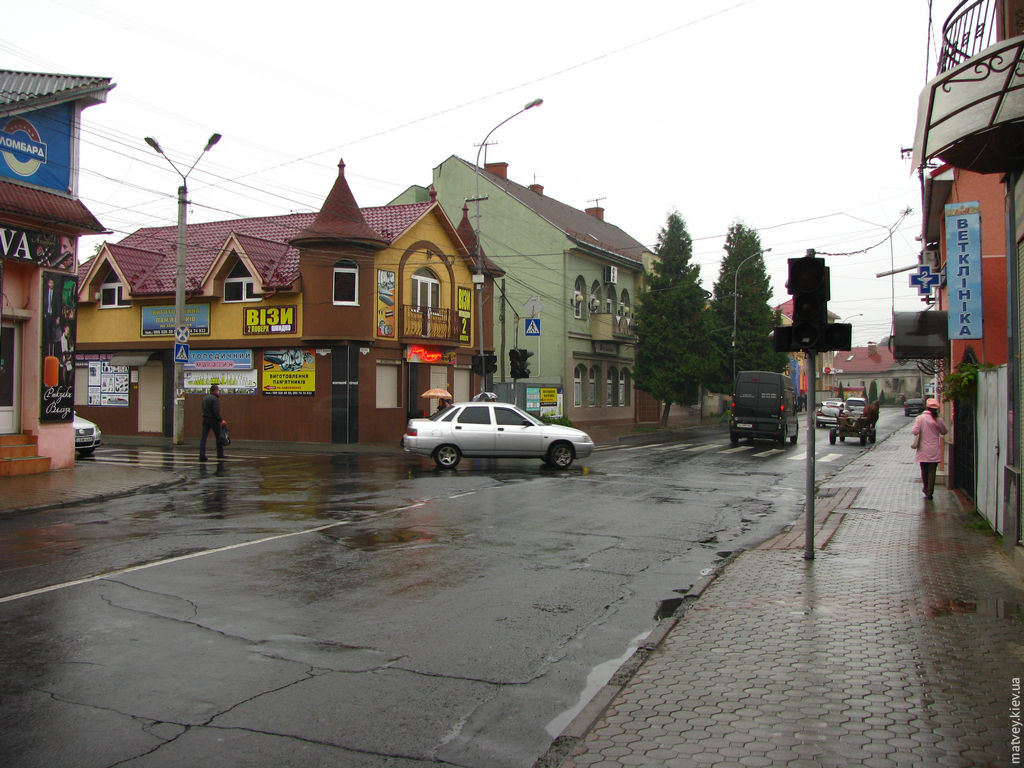
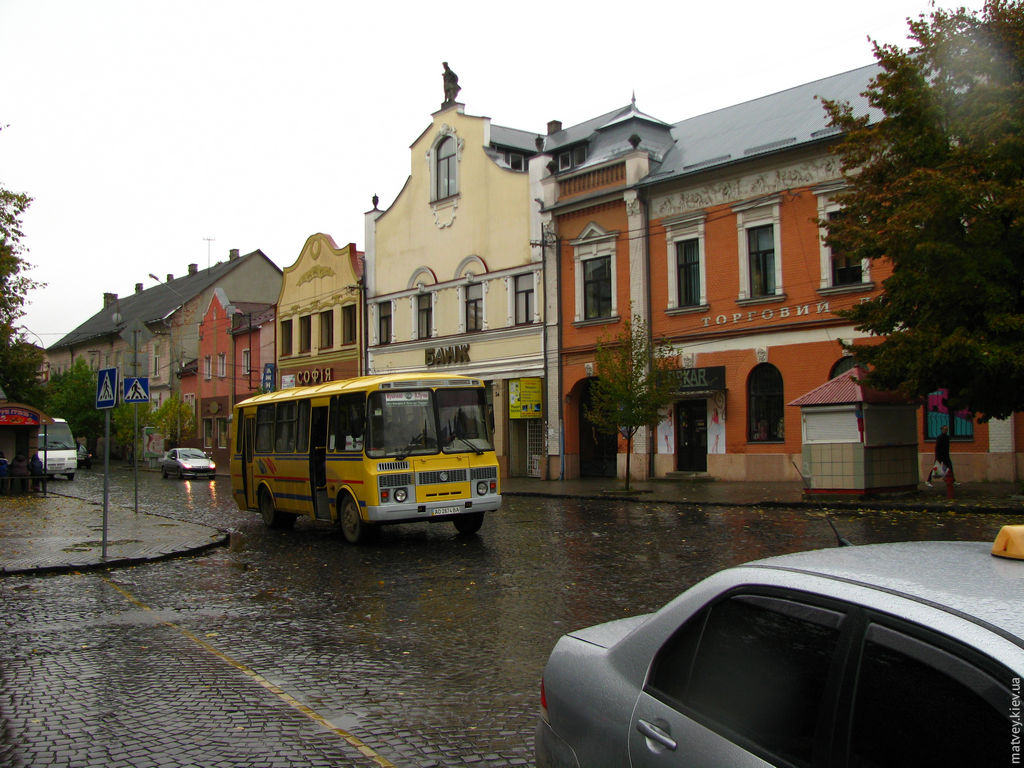
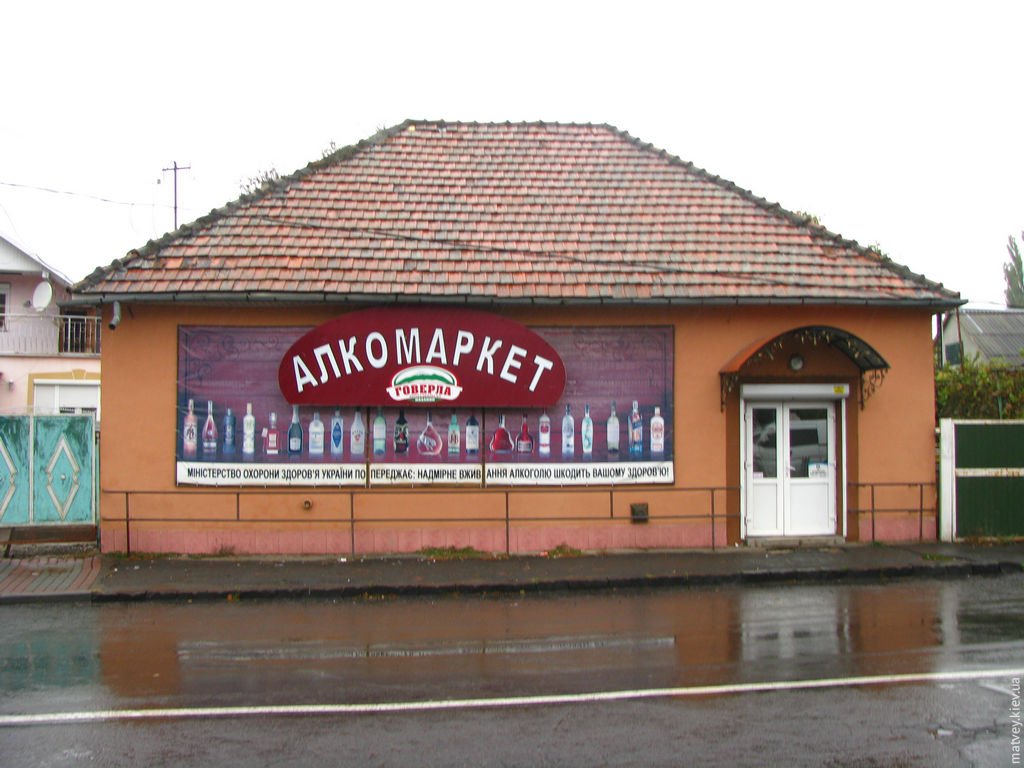
The list of what was working: marshrutkas, buses, a few frightening convenience shops, and one eatery of a fast-food network.
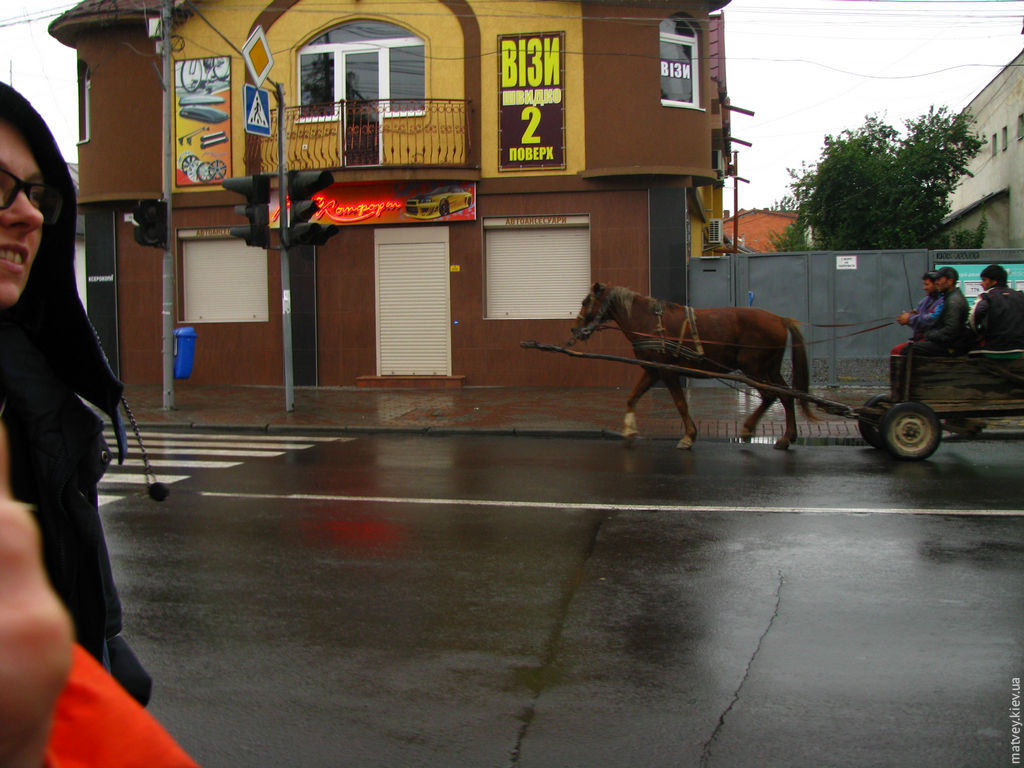
Practically impossible to meet in Kyiv region, a horse crate was readily cutting through the air over the streets of Mukachevo.
The castle in Mukachevo was beautiful and immensely popular. It was crowded despite the weather. People were coming in buses and were equipped with simplest rain covers of blue plastic, possibly, supplied by the tour operator.
There was some kind of social experiment going on at the entrance. Ignoring the thickness of the crowd, the only entrance was wide enough for just one person, and served as entrance and exit simultaneously.
Guides were pastoring herds of people and blocked the hallways when they needed to stop to talk about some place. If I stopped at one place, I could compare how different guides were telling the same information.
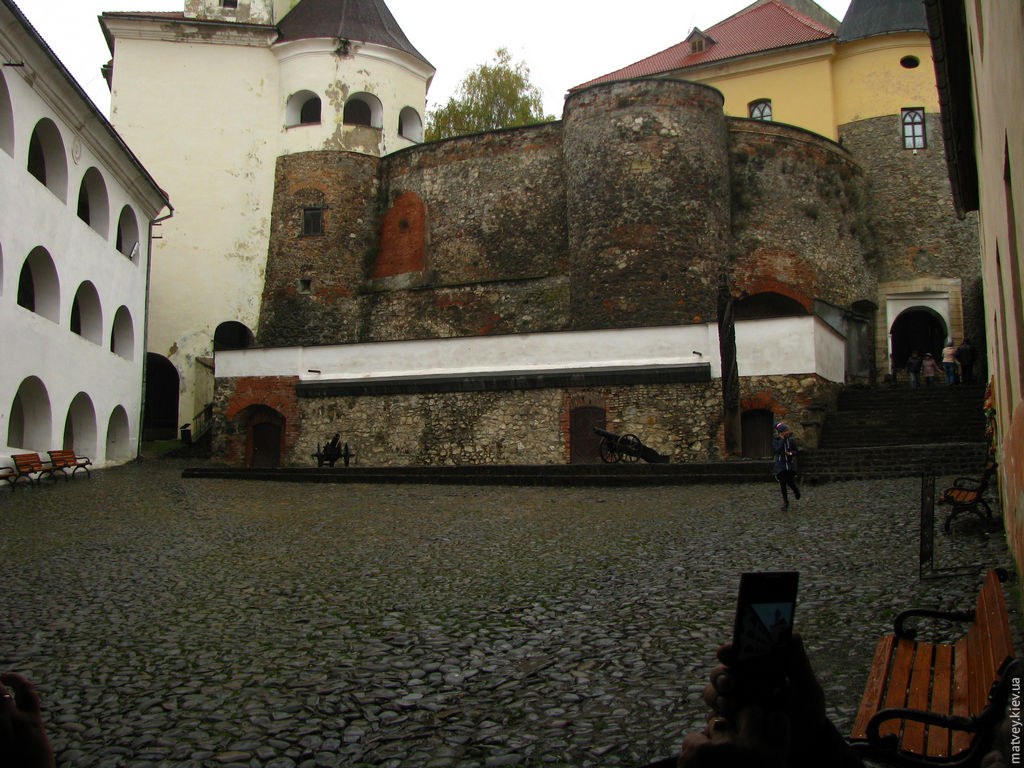
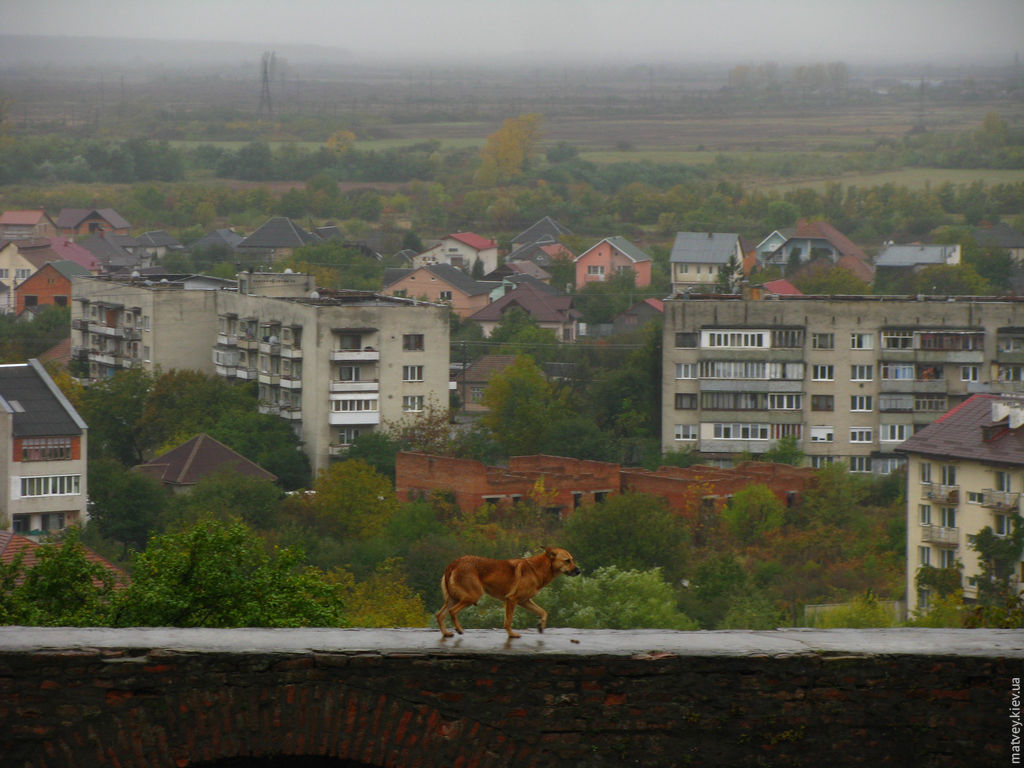
The castle hill had views. The rocks, the walls and the views were good, but it felt like a completely devoid of life, bleached skeleton of a dinosaur inside.
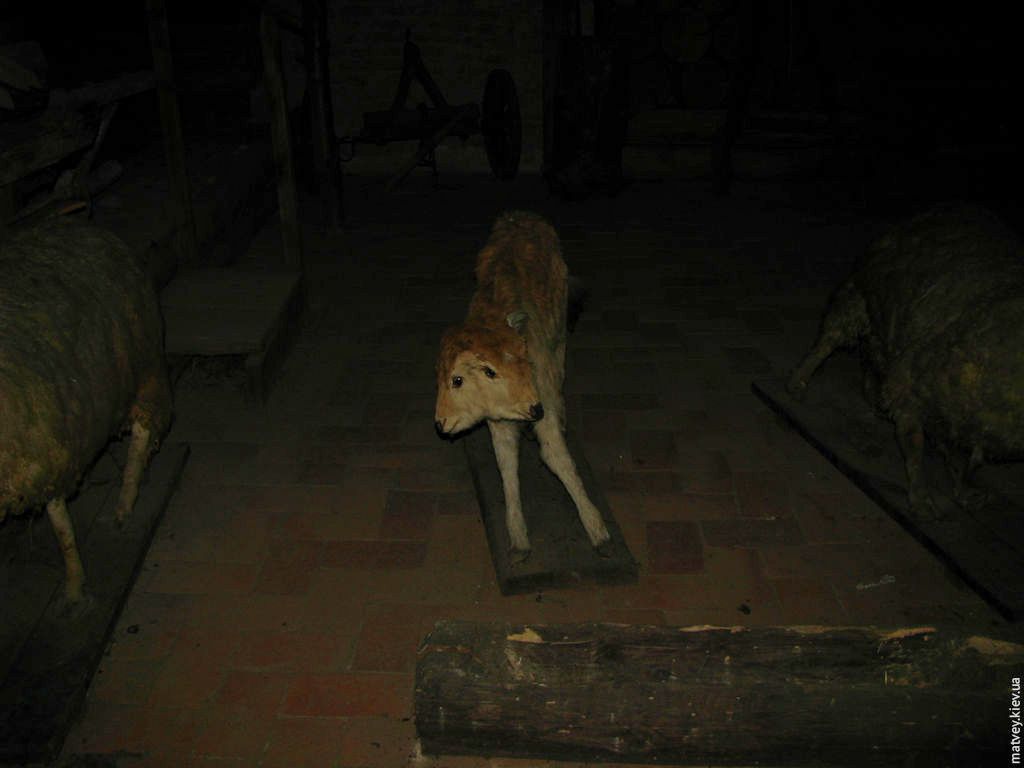
The uppermost floor had an unlit room where a stuffed twin-headed calf was on display.
It was not the best weather to go outside.
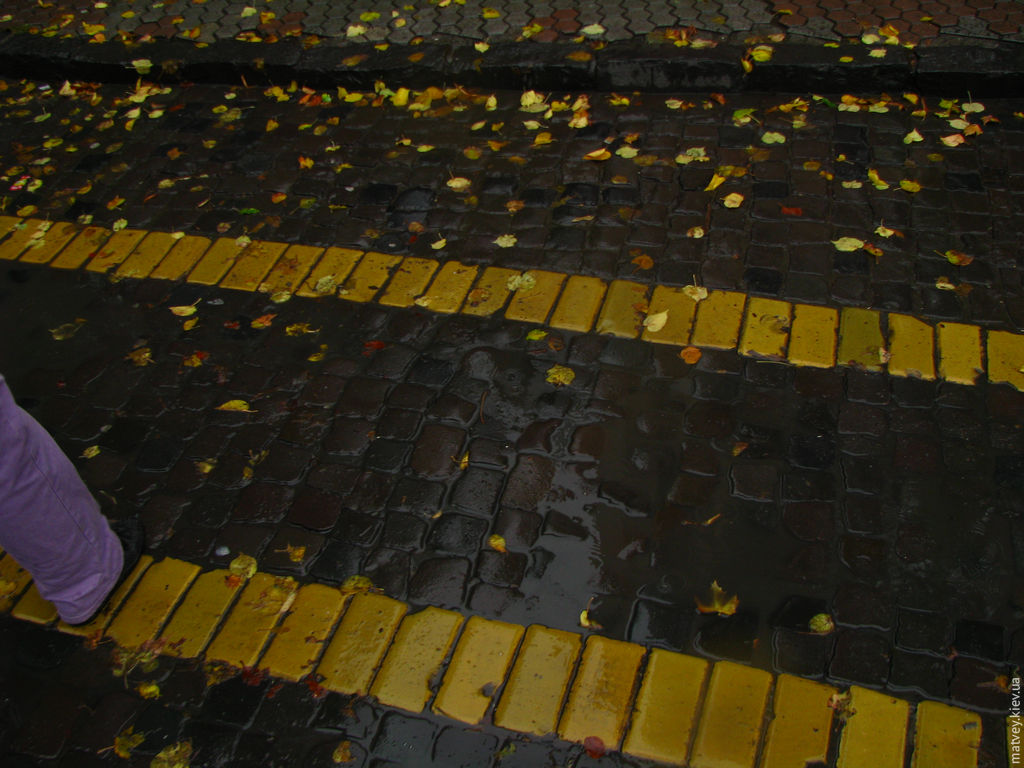
Some pedestrian crossings in the center were marked up in such a way that each painted strip was not wider than the row of cobbles.
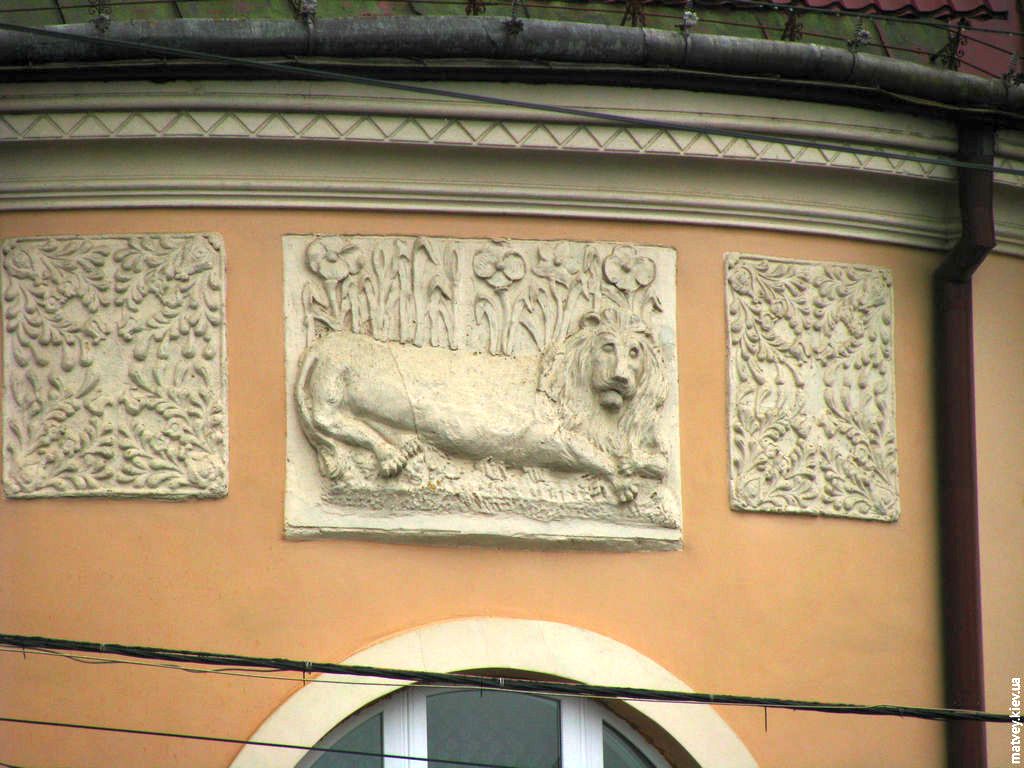
This anatomically incorrect lion was decorating a building — and the whole town, too — with itself.